Cart
0
You may also like

A practical, non-judgmental guide to shopping with intention, auditing your wardrobe, and making peace with the clothes you already own.
Let us be honest. The phrase 'mindful consumption' has started to sound a little like a wellness retreat you cannot afford. It shows up in the captions of minimalist Instagram accounts, in the closing paragraphs of brand newsletters, and in WhatsApp forwards from that one eco-conscious friend. It sounds important. It sounds virtuous. It also sounds, if we are being completely honest, a little vague.
So this piece is not going to lecture you about the state of the planet (you already know). It is not going to ask you to throw out everything you own and start fresh. And it is certainly not going to make you feel guilty about that impulse-buy kurta from 2022 that still has its tags on.
What it is going to do is something much simpler: make mindful consumption feel real. Tactile. Doable. Something you can actually start today, in your actual wardrobe, with your actual budget.
"Mindful consumption is not about perfection. It is about asking better questions before you buy."
Mindful consumption, at its core, is just the practice of being intentional about what you bring into your life and what you let go of. That is it. No extreme minimalism required. No capsule wardrobe of exactly 33 items. No guilt every time you enjoy shopping.
In the context of fashion, which is one of the world's largest polluting industries, producing an estimated 92 million tonnes of textile waste annually, mindful consumption means slowing down enough to ask a few honest questions before your card leaves your wallet. It means choosing quality over quantity when you can. It means caring a little about what happens to a garment after you are done with it.
In India specifically, this conversation is picking up momentum, and rightly so. We are one of the world's largest textile producers and consumers. The decisions we make as shoppers ripple outward to artisan communities, to water systems, to landfills, and to the workers who stitch our clothes. But here is the good news: mindful consumption does not require you to be a saint. It just requires you to be a little more awake.
This is the most practical tool in the mindful consumption toolkit. Before you click 'add to cart' or carry something to the billing counter, run it through these five questions. You do not need to answer yes to all of them, but they will tell you a great deal about whether this purchase is a considered choice or an impulse.
Be genuinely honest here. Not 'do I own something exactly like this' but 'do I own something that would serve the same purpose.' A new printed kurta is not necessary if you have three unworn printed kurtas at the back of your wardrobe. This question alone, if answered truthfully, can save you a surprising amount of money, and wardrobe clutter.
The '30 Wears' test was popularised by sustainable fashion advocate Livia Firth, and it remains one of the most useful heuristics for conscious shopping. If you cannot picture yourself reaching for something thirty times over the next year or two, it is likely a trend purchase rather than a wardrobe investment. The maths is simple: the more you wear something, the lower its cost per wear, and the lower its environmental footprint per use.
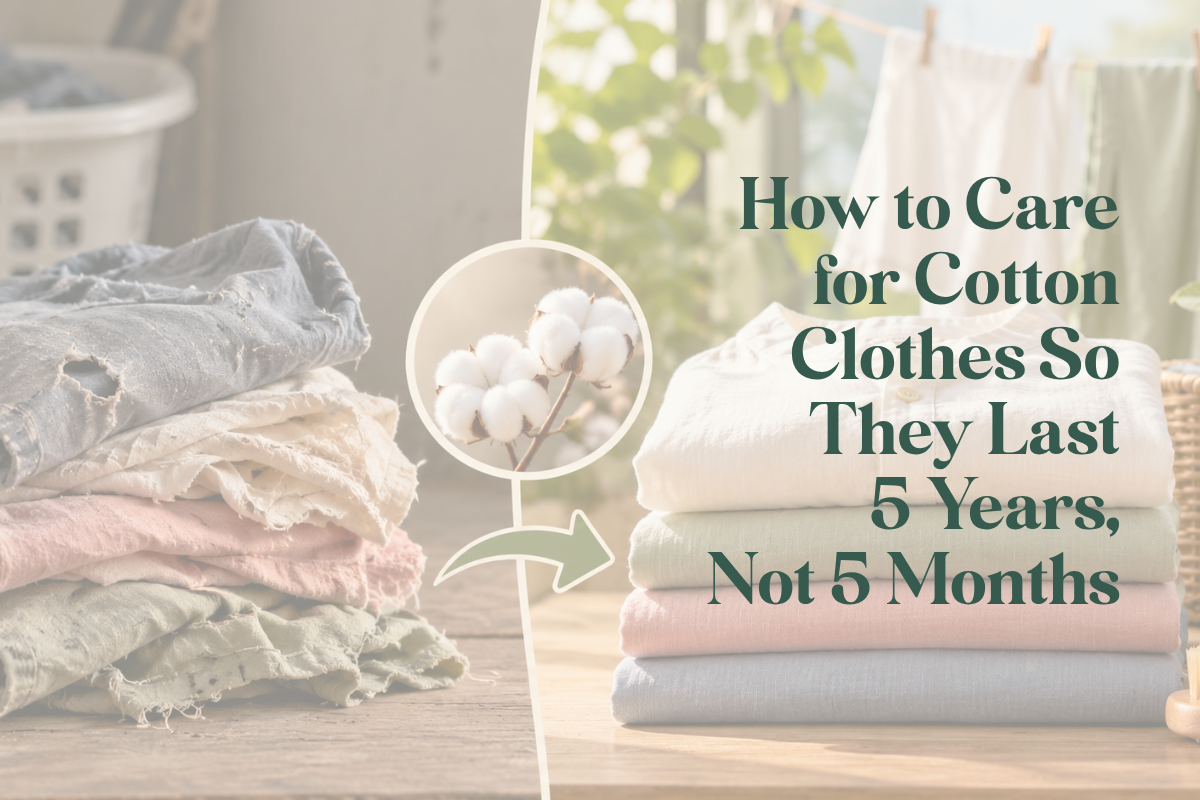
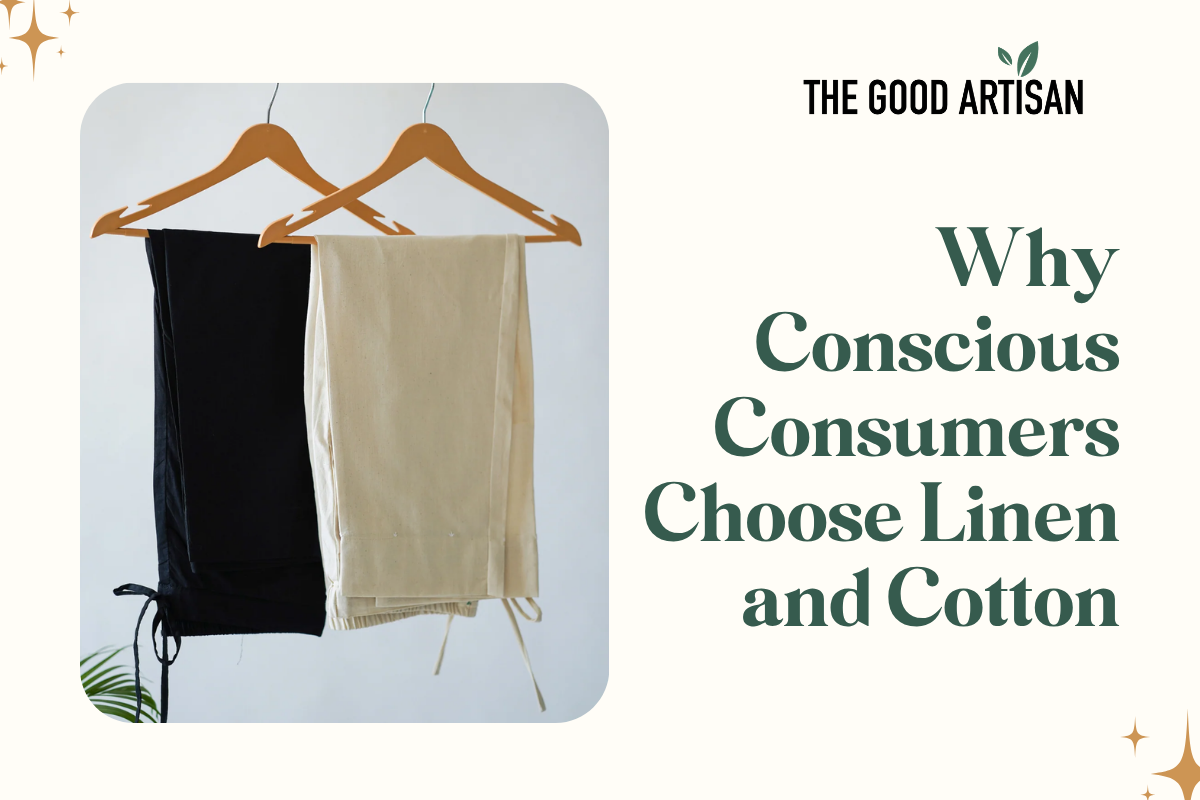
Fabric transparency is one of the easiest ways to shop more consciously. Natural fibres, cotton, linen, mulmul, silk, wool, hemp, are generally biodegradable and kinder to the skin and planet than synthetics like polyester, acrylic, or nylon. Synthetics shed microplastics with every wash, which enter water systems and eventually the food chain. This does not mean synthetic blends are always wrong, but knowing what you are buying is the first step to making a considered choice. When brands are vague about fabric composition, that vagueness is itself useful information.
You do not need to conduct a supply chain audit before every purchase. But asking this question, even loosely- begins to shift how you see clothes. A Rs. 249 fast fashion kurta and a Rs. 1,500 artisan-crafted one occupy very different worlds of labour, material, and impact. Neither choice makes you a good or bad person. But knowing the difference means you are shopping with your eyes open. Brands that talk openly about their makers, their sourcing, and their process are generally the ones with something worth saying.
The temporal test. Not 'do I love this right now', of course you do, that is why you are considering buying it, but 'will I still want to wear this when the season changes, when the trend has moved on, when it has been washed a dozen times.' Trend pieces are not inherently wrong. But recognising them as trend pieces rather than wardrobe staples helps you price them accurately in your mind, and decide whether they are worth it.
A wardrobe audit sounds like the kind of thing that requires a full weekend, a Marie Kondo book, and a stoic disposition. It does not. The version that actually helps is much gentler, and it starts not with what you throw away but with what you discover.
Take everything out of your wardrobe and lay it on your bed. Yes, everything. Then divide it into three rough groups. The first group is things you reach for regularly, the pieces that have earned their place. The second is things you keep 'just in case', the wedding outfit from 2019, the work blazer you have not worn since the office went hybrid, the jeans that have not fit since before the pandemic. The third is things you forgot you owned.
The third pile is the most revealing. These are the purchases that failed the '30 Wears' test before they even started. They tell you something honest about your actual style versus your aspirational style, and the gap between the two is exactly where most impulse spending happens. Do not judge yourself for this. Almost everyone has a third pile. The point is not guilt; it is information.
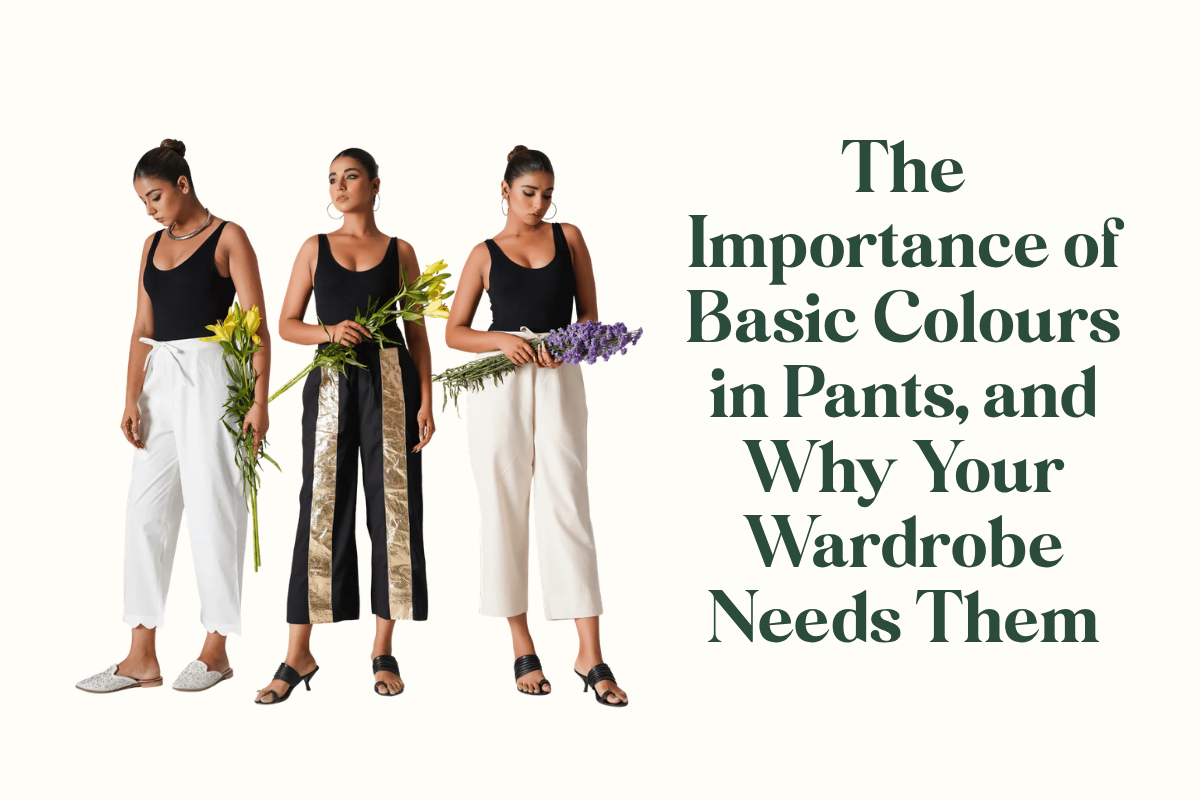
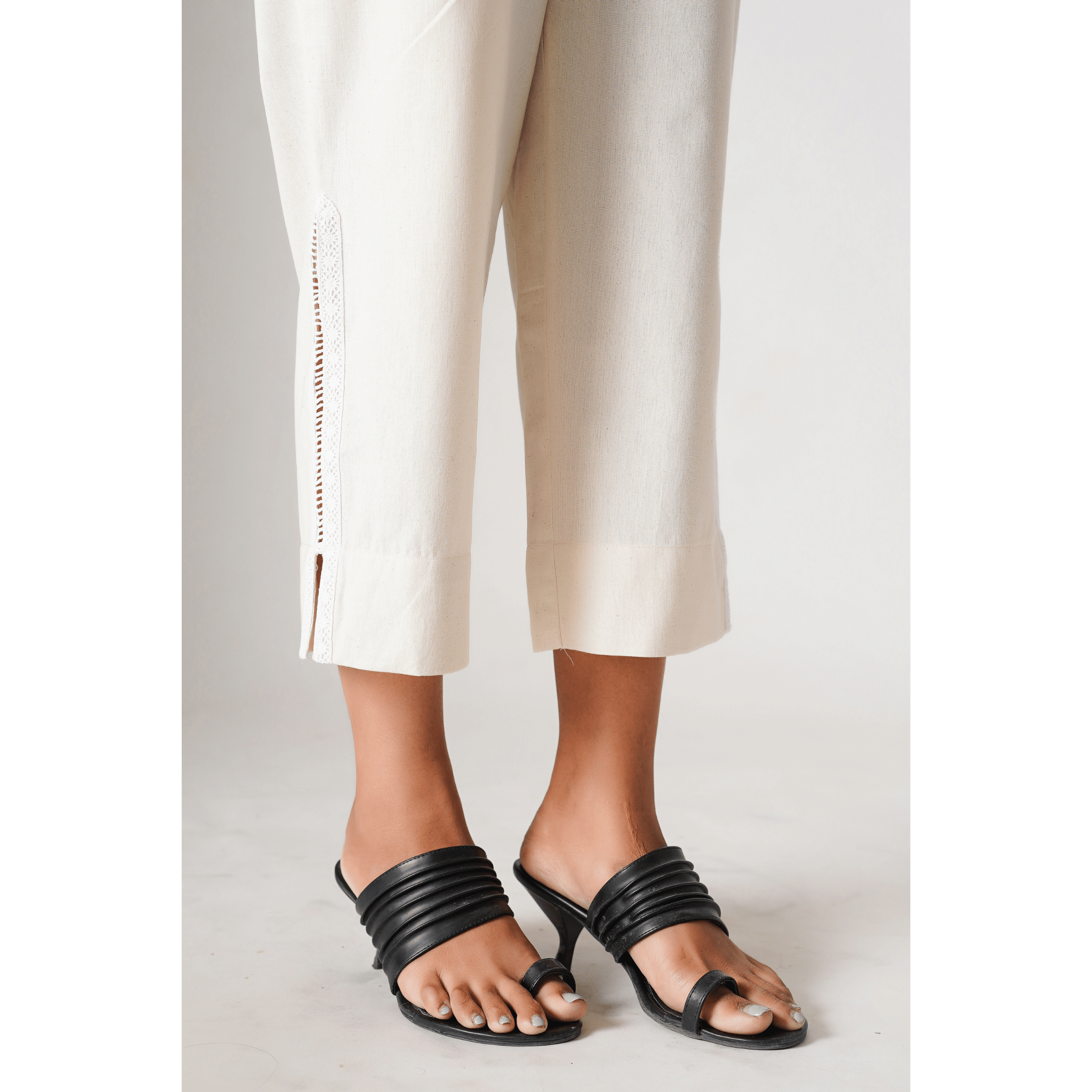
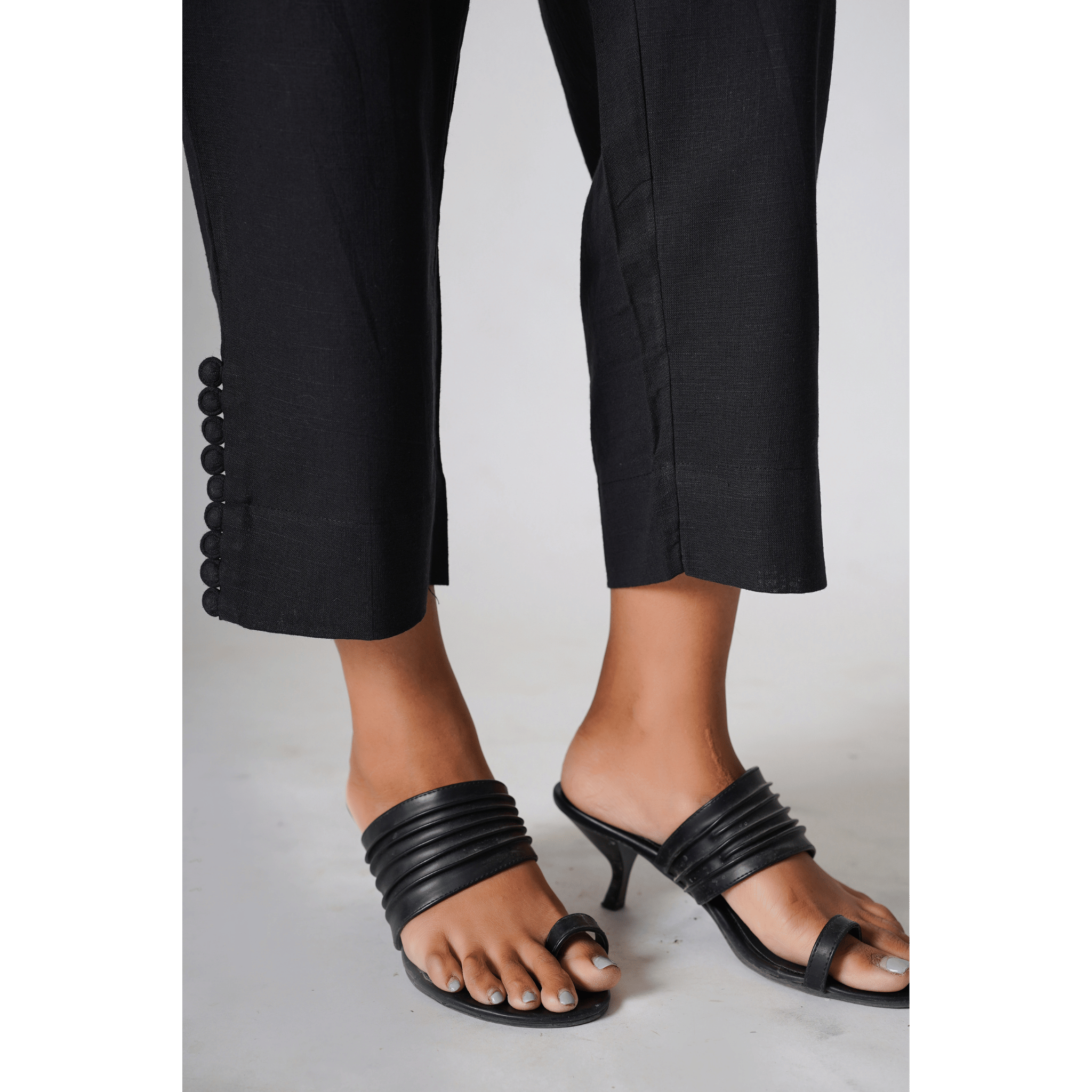
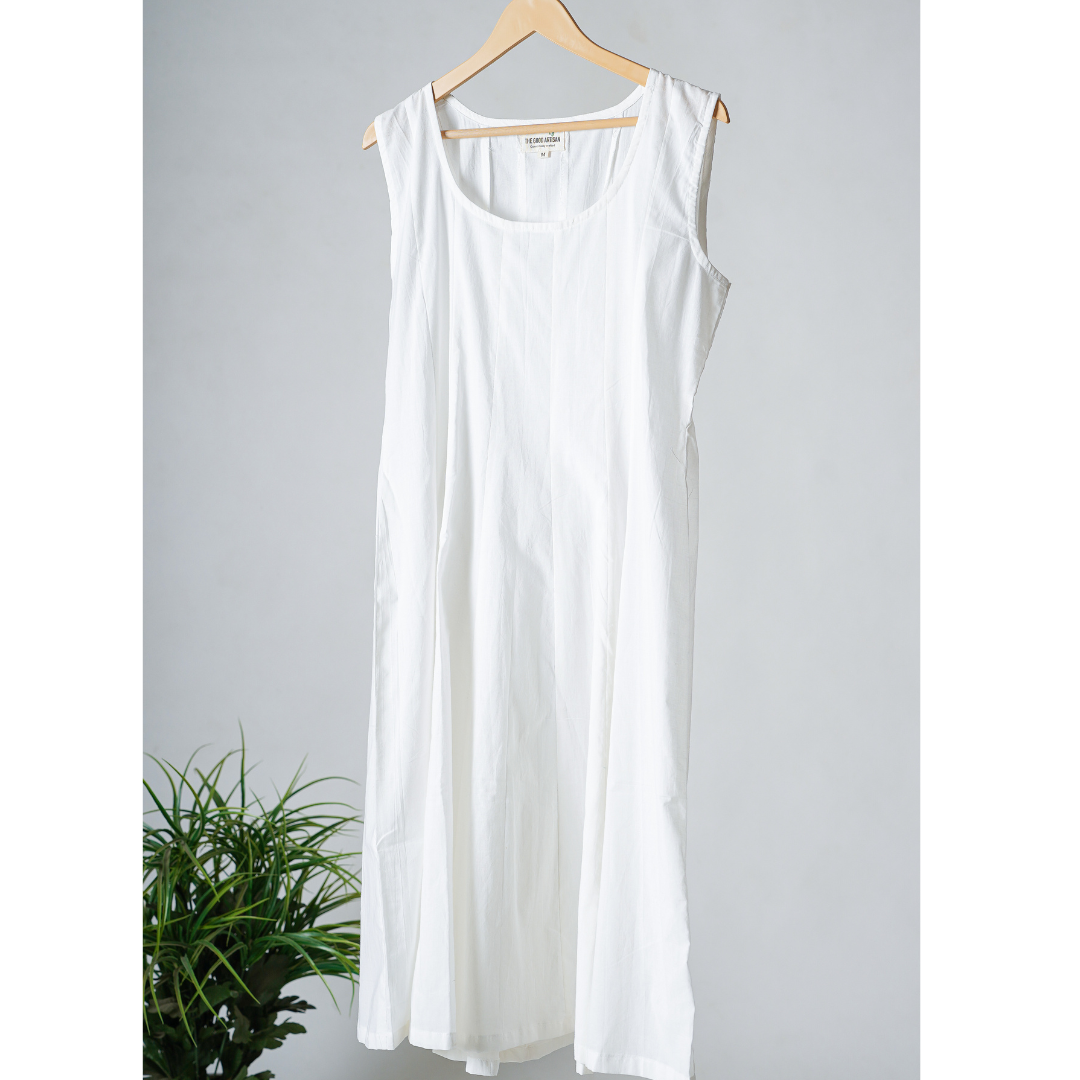
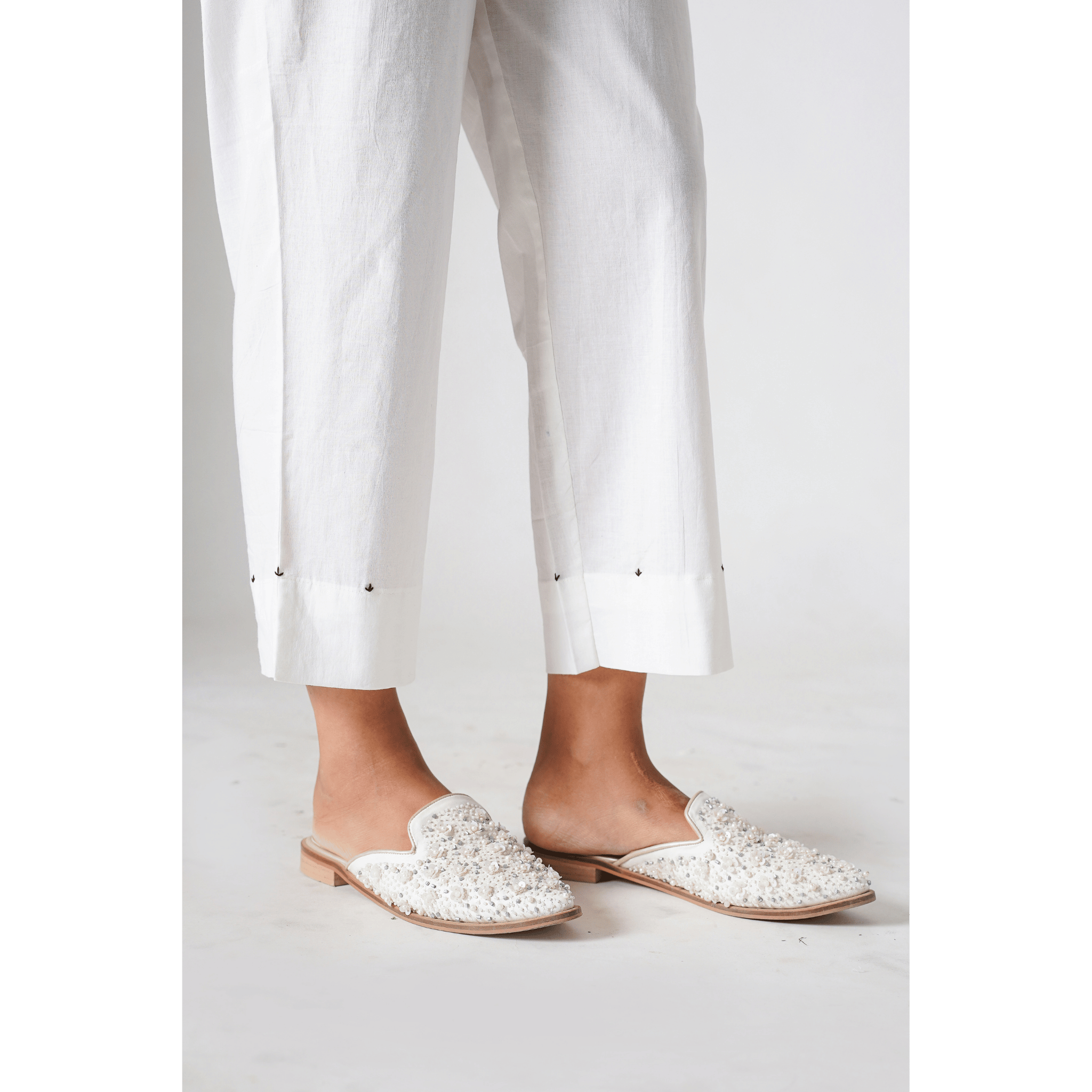
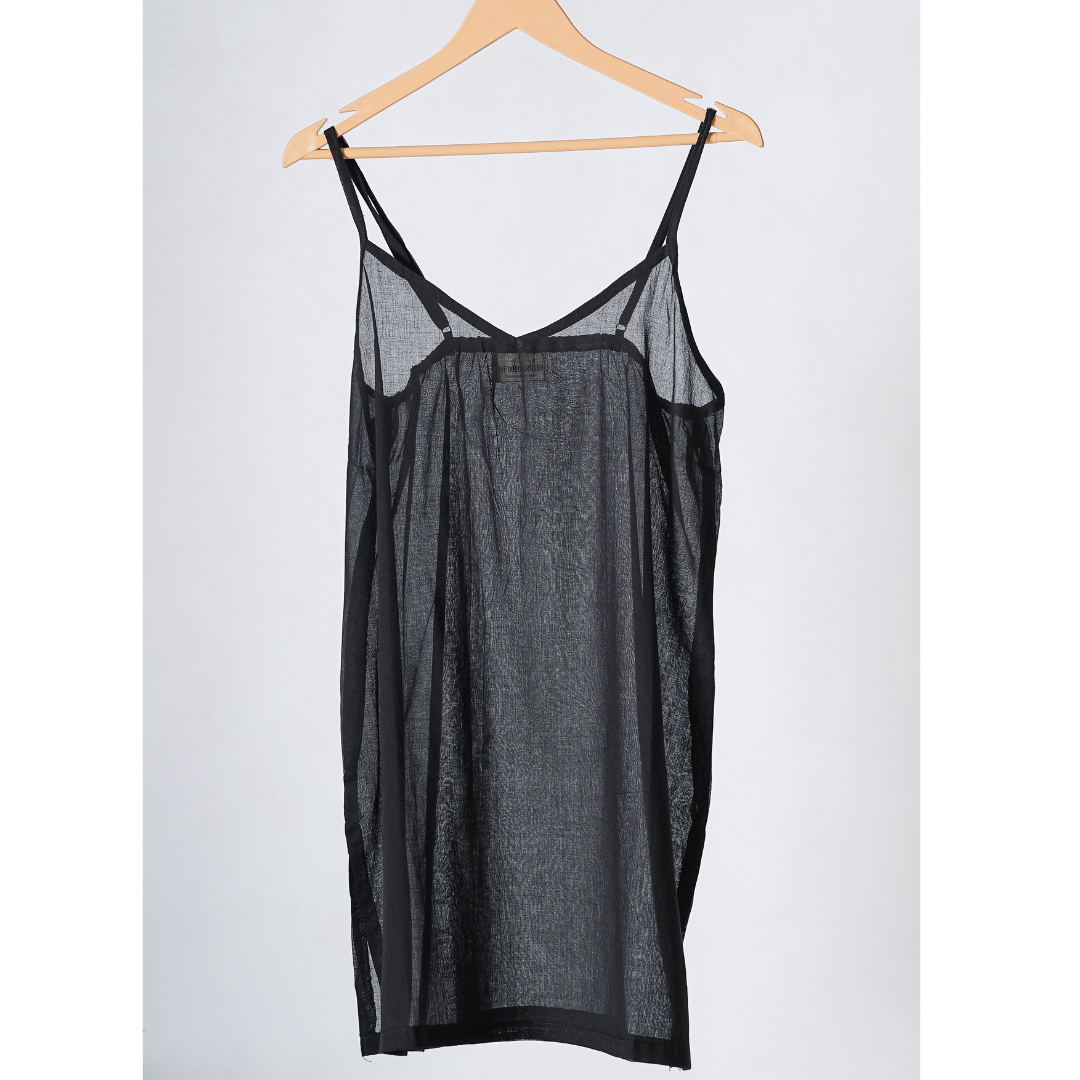
Once you can see everything, ask yourself what you are actually missing. Most people find they are not missing new things at all; they are missing a few good basics that make everything else work. A well-cut pair of pants in a neutral that pairs with half a dozen tops. A slip that finally makes that sheer kurta wearable. A versatile jacket that bridges casual and formal. These are the considered purchases that actually change how your wardrobe functions.
"Most people are not missing new things. They are missing the right basics that make everything else work."
This is the part no one talks about enough. The conversation about mindful consumption usually stops at 'buy less' and 'buy better.' But what about the things already in your wardrobe, the ones that no longer serve you? Here are three honest options, none of which involve a landfill.
Donation is the most instinctive response, but the most useful donation is a considered one. Clothes that are worn, torn, or heavily stained are not useful to a charity. What is useful: clean, wearable garments in good condition. Goonj, iCall's donation drives, local NGO clothing collections, and community fridges with clothing sections are all legitimate channels in most Indian cities. If you are unsure, call and ask what they actually need before dropping off a bag of your discards.
Upcycling does not require you to own a sewing machine or follow a twelve-step DIY tutorial. At its simplest, it might mean taking a heavily worn cotton dupatta to your local tailor and asking them to cut it into cushion covers or a tote bag. It might mean using an old cotton kurta as a block-print base for a workshop project. It might mean cutting off the embroidered border of a damaged garment and having it sewn onto something new. The idea is to extend the life of the material, to recognise that fabric does not have to die when a garment does.
Clothes swapping, once the preserve of college dorm rooms and theatre costumes, has become a genuinely mainstream activity in Indian cities. Swap events are now regularly organised in Mumbai, Delhi, Bengaluru, Pune, and Jaipur, often through sustainability communities on Instagram and WhatsApp. The format is simple: you bring things you no longer wear, and you take home things someone else brought. No money changes hands. Everybody leaves with something new to them, and the clothes stay in circulation rather than ending up in a landfill. If there is no swap event near you, start one. A building WhatsApp group is enough infrastructure to begin.
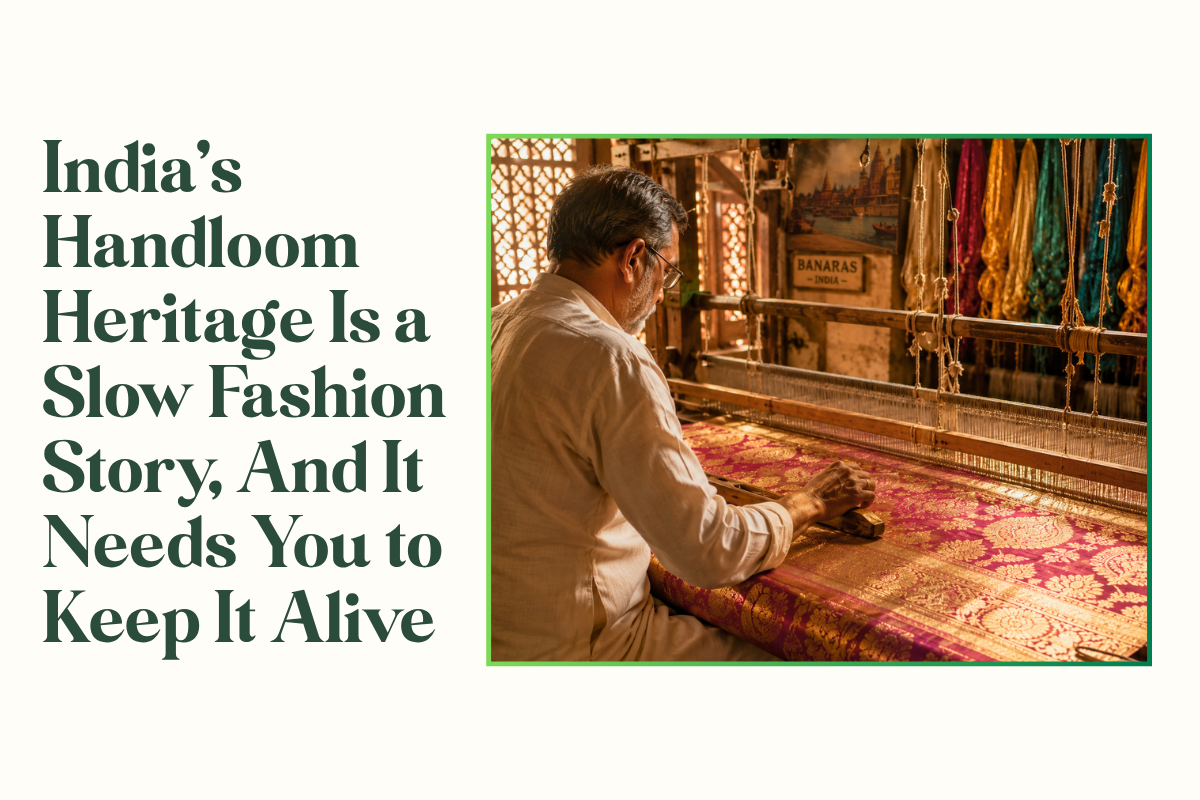
India has a complicated relationship with fast fashion. On the one hand, we are a nation of extraordinary textile heritage, handloom, block print, chikankari, kalamkari, bandhani, and dozens of other craft traditions that represent millennia of accumulated skill. On the other hand, we are the world's second largest producer of textiles, and a growing market for the kind of cheaply made, quickly discarded clothing that these craft traditions stand in direct opposition to.
When you choose an artisan-made garment over a factory-produced one, you are not just making a personal style choice. You are participating in an economic system that keeps craft alive, that puts income into the hands of skilled workers in smaller cities and towns, and that values the time and knowledge it takes to make something well. This is not a romantic notion; it is an economic reality. The decline of handloom and artisan craft in India is directly linked to the rise of cheap synthetic alternatives. Every considered purchase is a small vote in that ongoing story.
This does not mean you need to only ever buy handloom or that fast fashion is pure evil. Life is more complicated than that, and budgets are real. But it does mean that even one or two considered purchases a season, choosing a well-made cotton basic over a synthetic trend piece, choosing a brand that talks openly about its makers, can be part of a larger shift. Collective behaviour changes slowly. It changes because many individual people start asking slightly better questions.
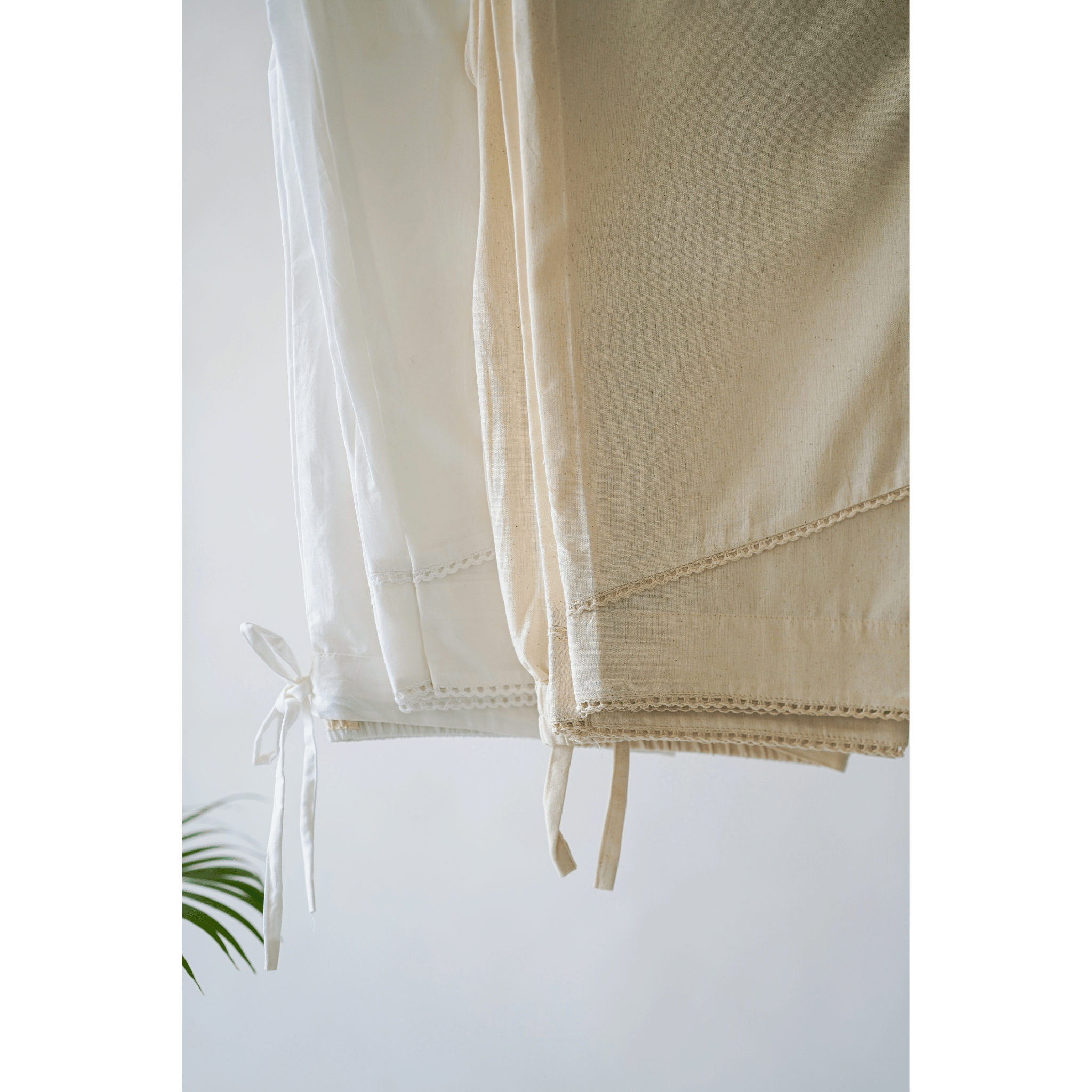
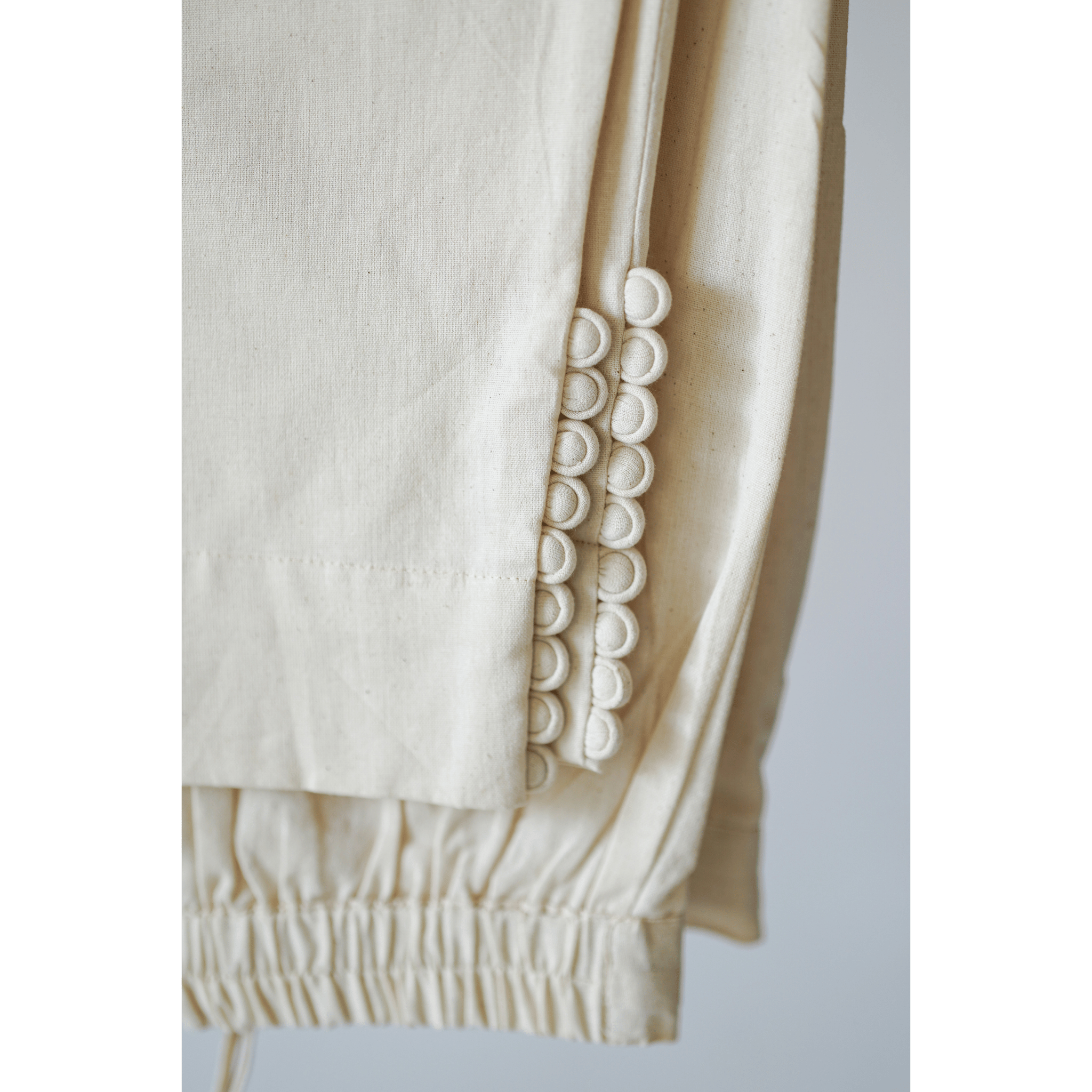
We are a small brand, based in Jaipur, making cotton and cotton-linen ethnic basics for women. We use natural fabrics. We make in limited batches. We ship in eco-friendly packaging. We talk openly about what our garments are made of and why. We are not perfect, no brand is, but we are trying to make things that are worth keeping.
We built The Good Artisan because we kept hearing the same thing from women across India: finding good quality ethnic basics is genuinely hard. Everything is either cheaply made and disposable or expensive and occasion-specific. There was very little in between, beautiful, well-crafted, affordable, everyday pieces in natural fabrics that could be worn over and over again.
That is what we are trying to be. Not a statement. Not a luxury. Just something good, made carefully, that lasts. If that sounds like the kind of wardrobe you are building, slowly, intentionally, without rushing, we would love to be a part of it.
"Mindful consumption is not a destination you arrive at. It is a direction you choose to keep moving in."
If this piece has done what it set out to do, you are already less overwhelmed by the idea of mindful consumption than you were ten minutes ago. And if you are wondering where to begin, here is the simplest possible answer:
Start with the five questions. The next time you are about to buy something, just pause for a moment and run it through them. Not as a test you can fail, but as a conversation with yourself. You will know pretty quickly whether you are buying something because you genuinely want it in your life, or because it is Tuesday and a notification told you there was a 40% off sale.
Then, when you have a free afternoon, lay your wardrobe out. See what you actually have. Find the things you forgot you owned. Identify the one or two basics that would make everything work better. And when you are ready to buy something new, buy it well, in natural fabric, from a maker whose process you respect, in a colour and cut you will return to again and again.
That is it. That is mindful consumption. No retreat required.
Explore The Good Artisan's collection of 100% natural-fibre basics at www.thegoodartisanstore.com