Cart
0
You may also like
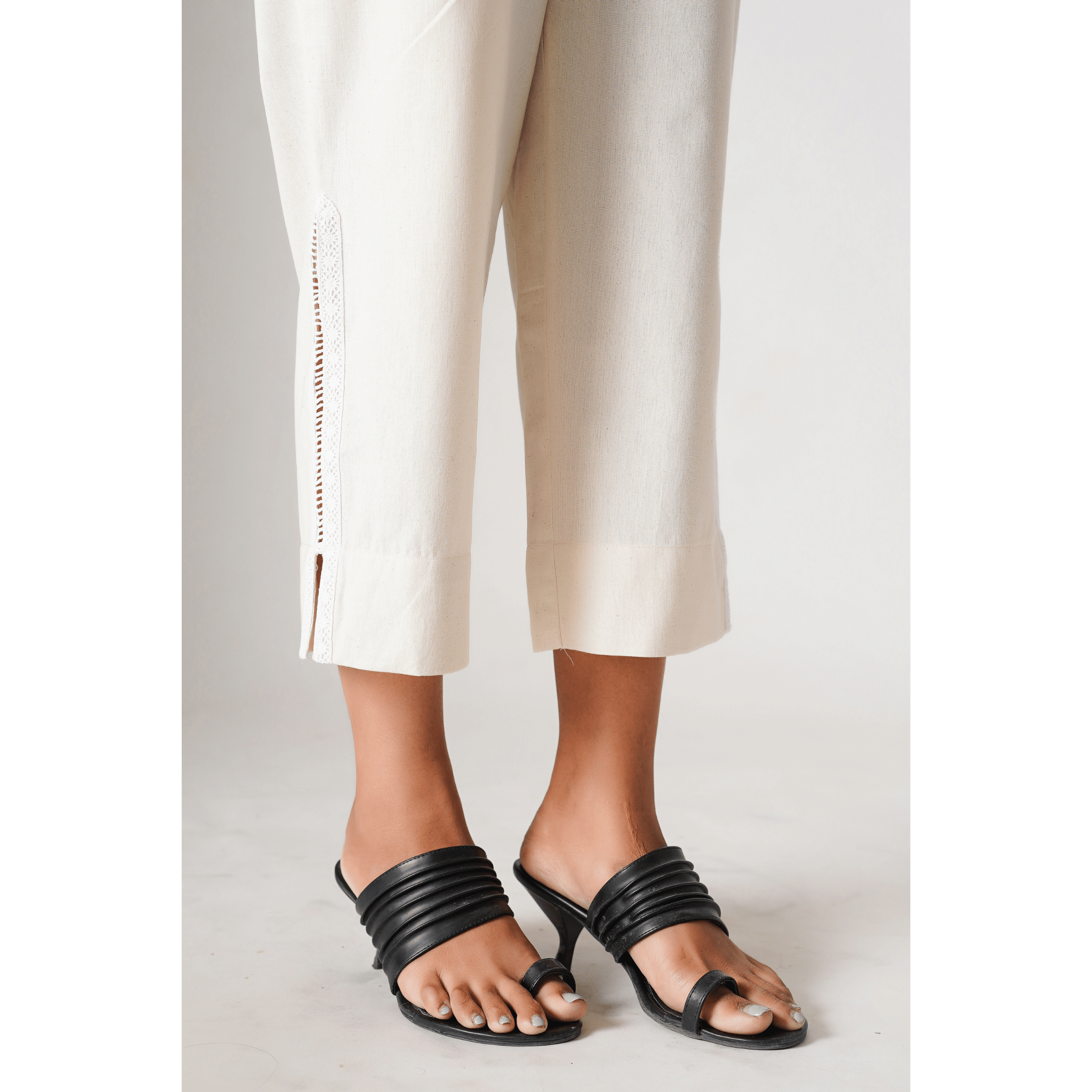
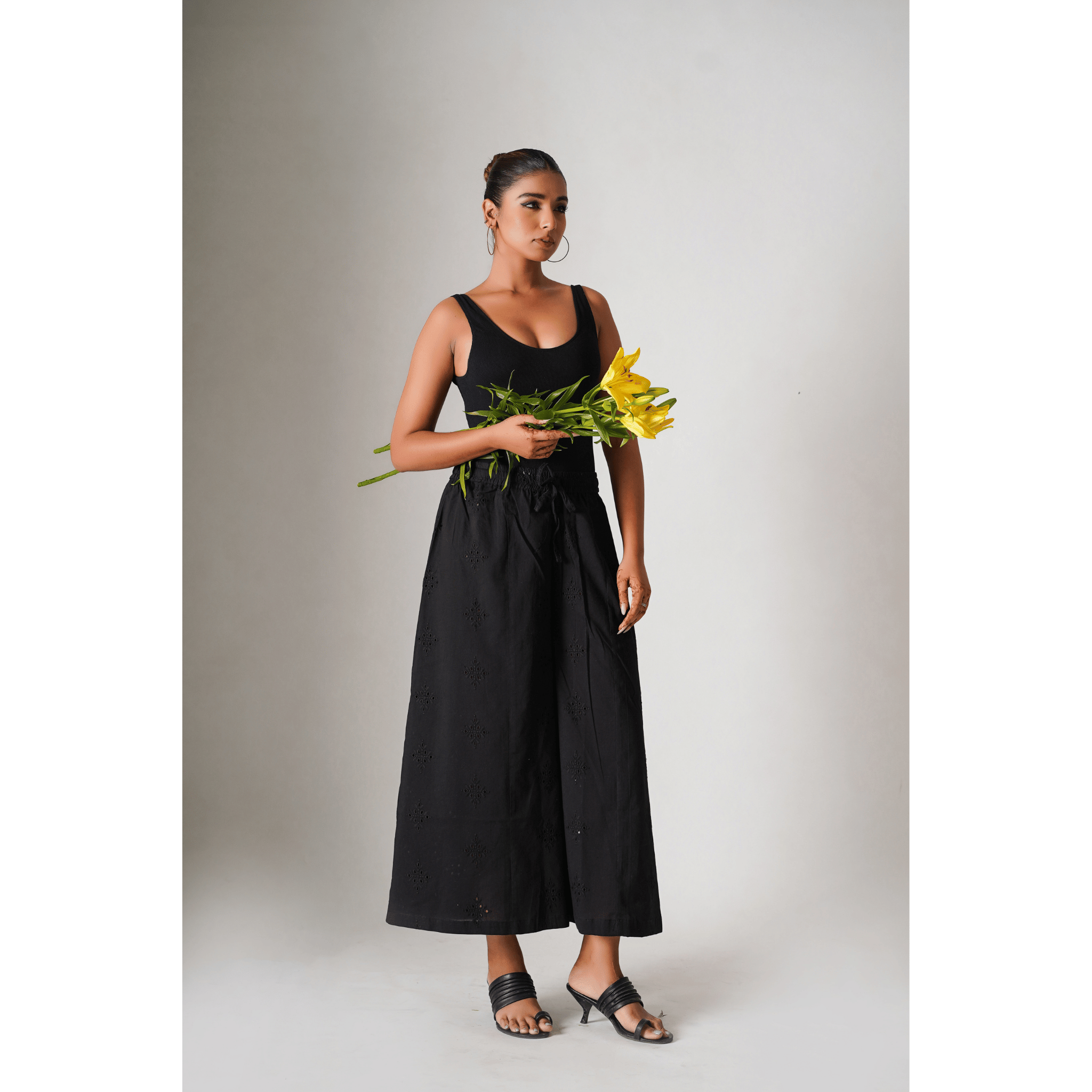
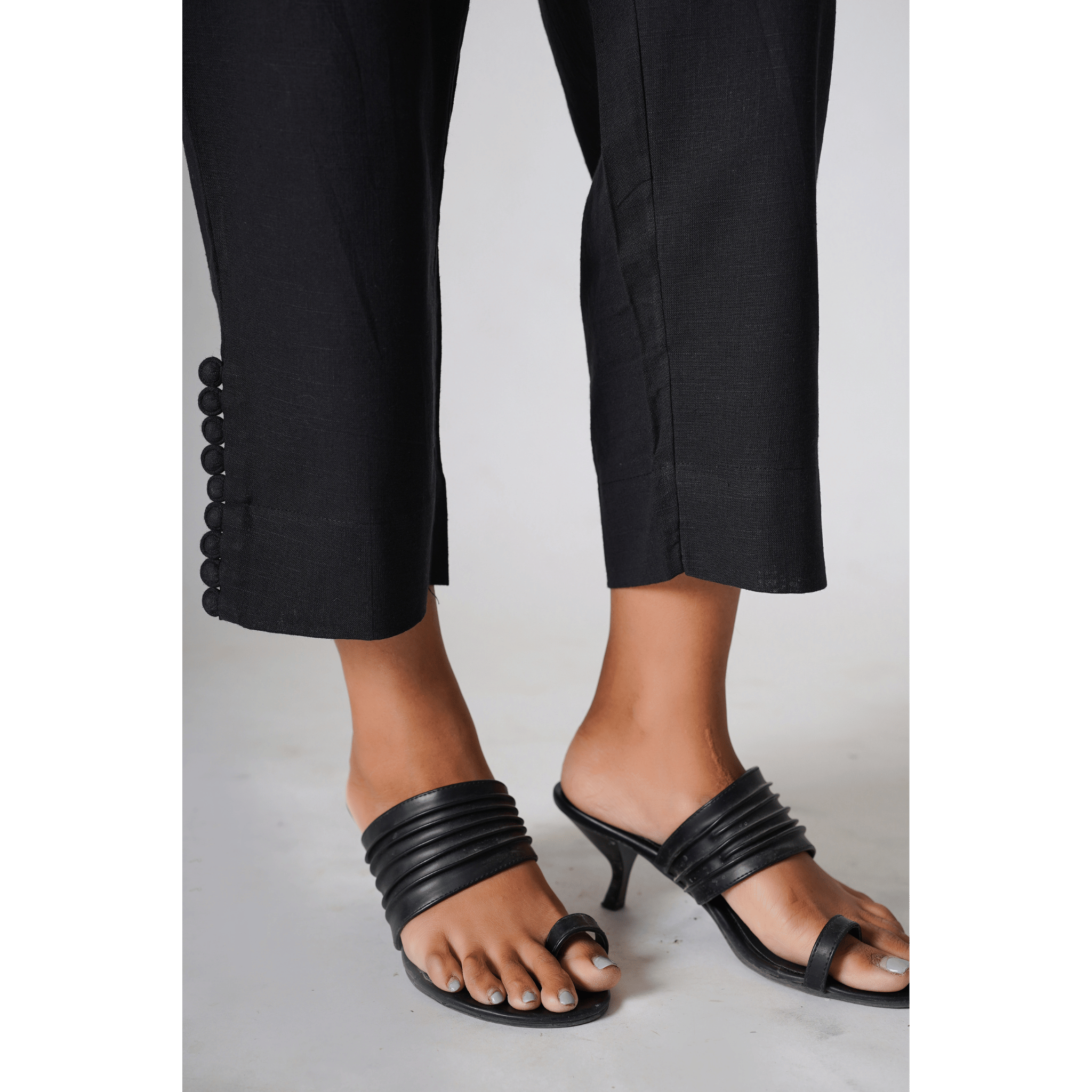
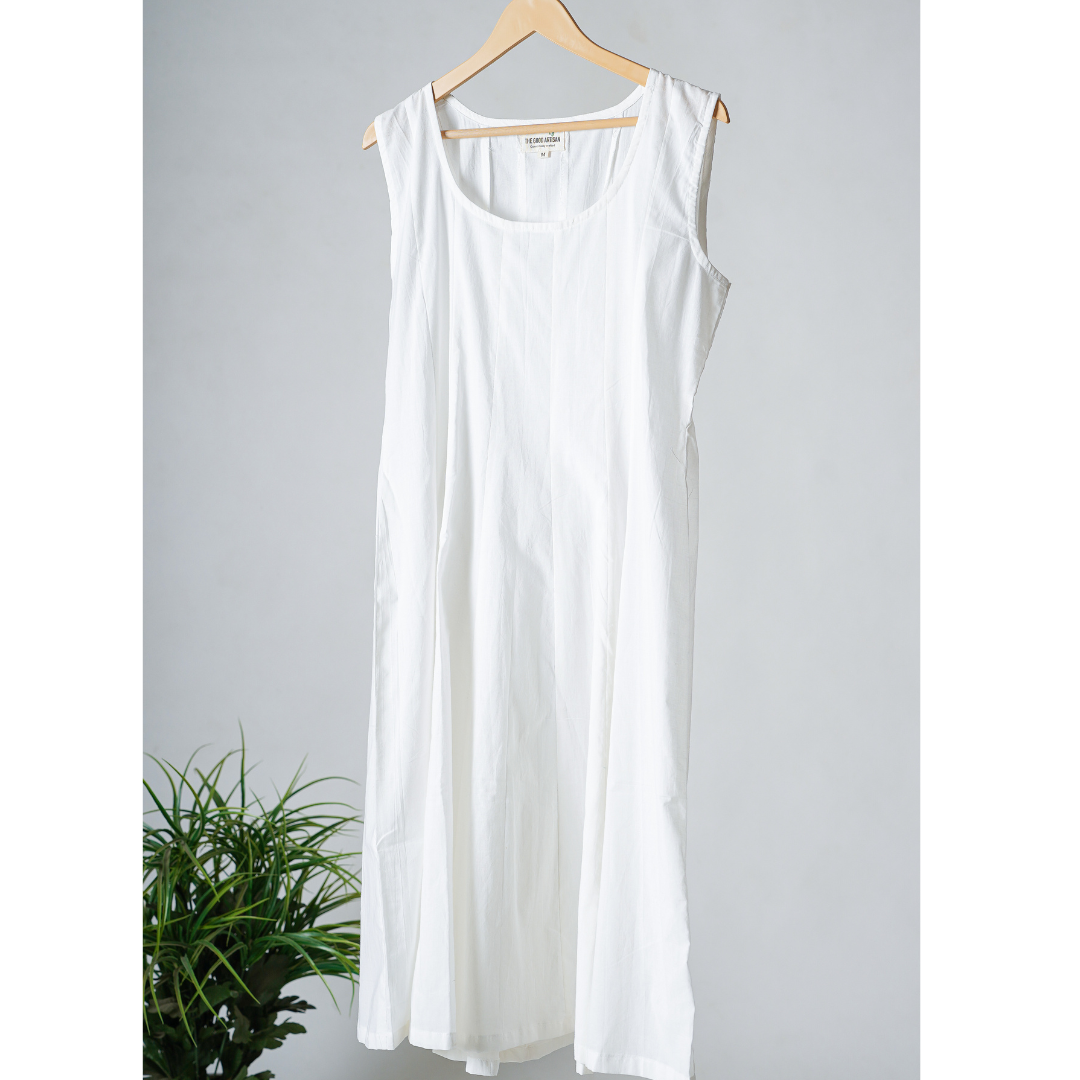
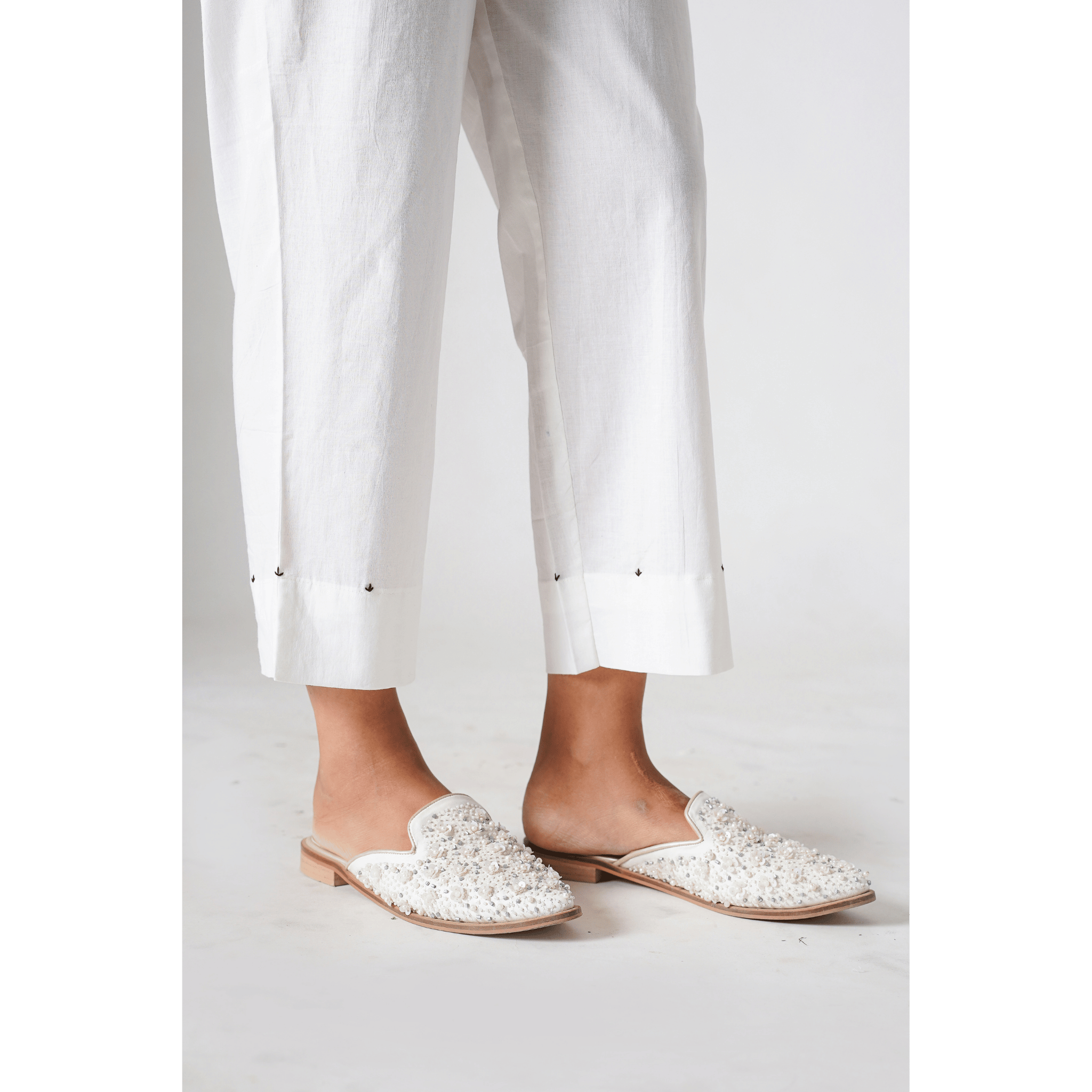
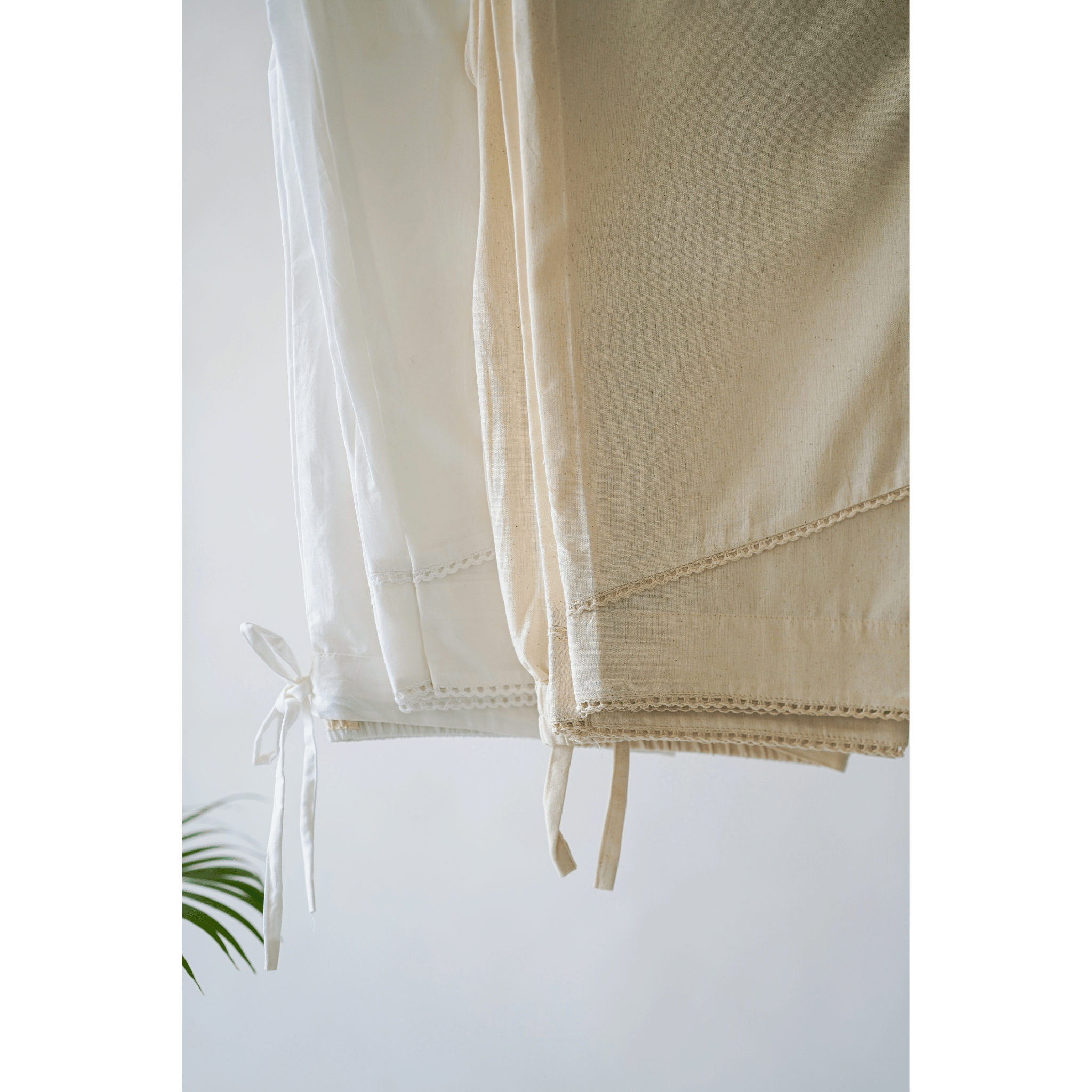
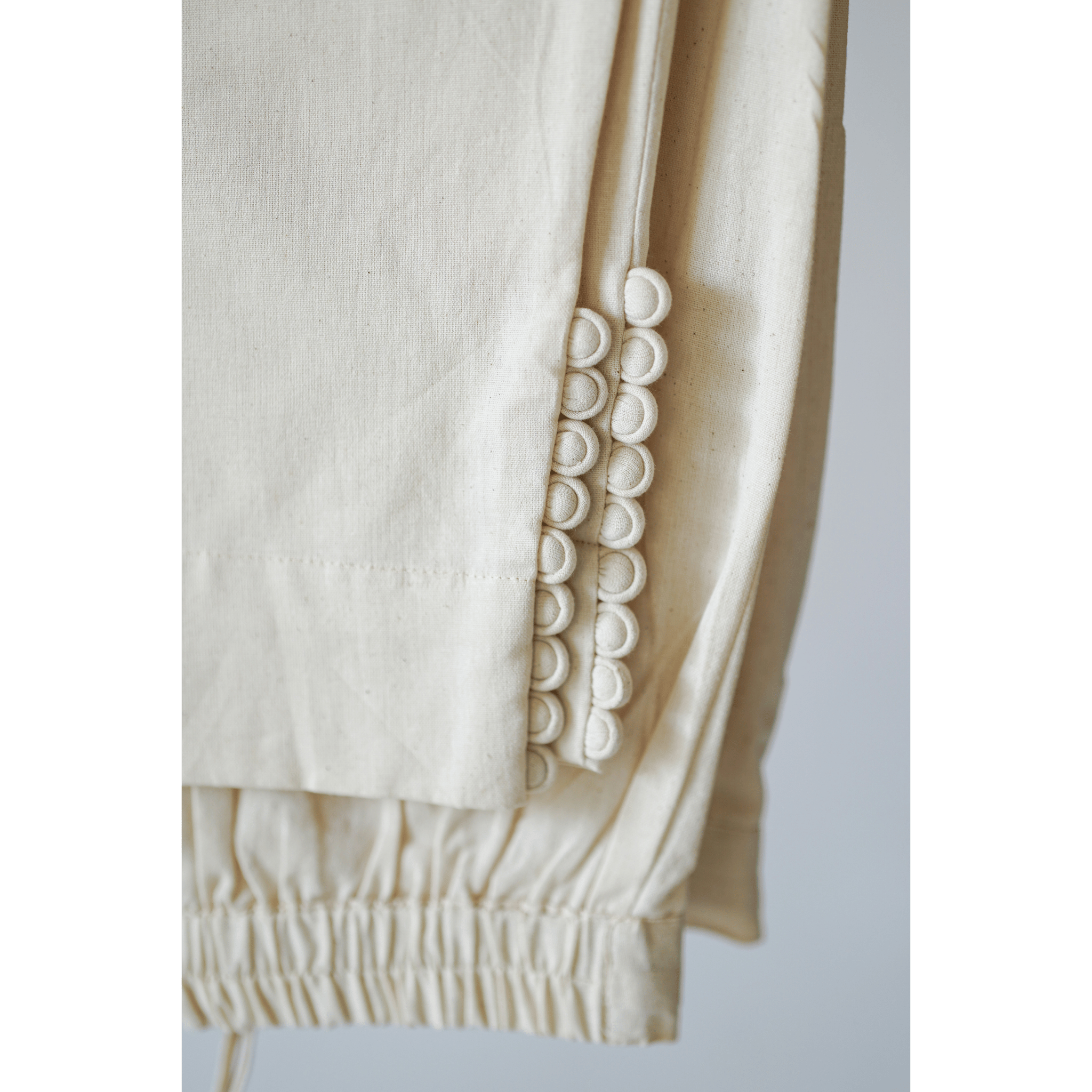

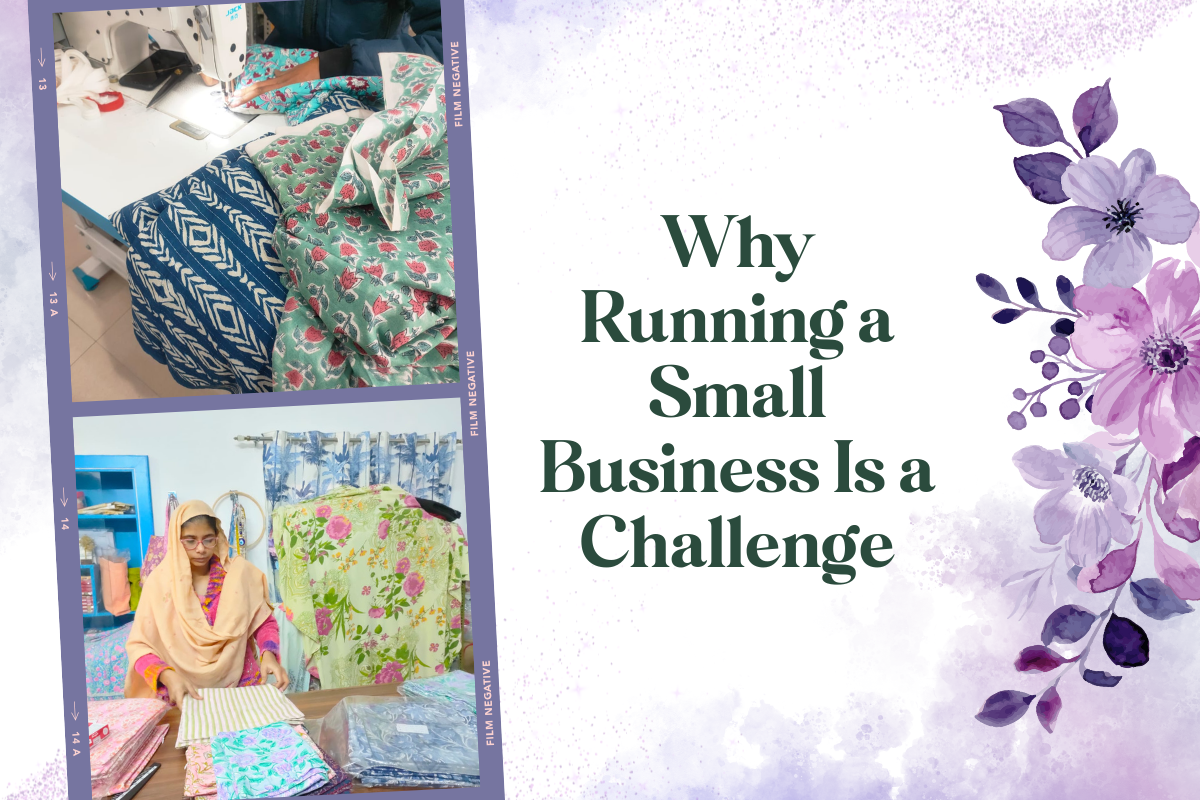
When people look at a brand from the outside, they often see the finished product, the carefully curated photographs, the Instagram feed, the beautifully packed parcel. What they rarely see is the chaos, courage, and countless compromises that go into building a business from scratch.
As a small business owner, I have faced many challenges since the inception of my brand, The Good Artisan.
I started this journey with an investment of ₹1.5 lakh, part of it borrowed from family. Capital has been a challenge from day one, and it continues to be. I knew very early on that trying to do everything by myself would not be possible. Yet, with household responsibilities and a teenage daughter transitioning from school to college in the very same year, my mind was stretched far beyond just the dream of starting a business.
This wasn’t my first attempt at entrepreneurship.
Before The Good Artisan, I co-founded a clothing venture called Sandlore with two partners. We worked relentlessly, poured our hearts into it, and learned every aspect of running a clothing brand. But despite all the effort, the partnership couldn’t sustain beyond three years. Closing Sandlore was heartbreaking.
And yet, Sandlore became my biggest classroom.
It gave me hands-on experience, from sourcing raw materials to delivering the final product. It taught me what no business degree ever could: the nuances, mistakes, negotiations, and emotional resilience required to execute a clothing venture. Looking back, I’m grateful for that phase, painful as it was.
When I started The Good Artisan, I carried that experience with me, along with deeper insight and clearer intent. Still, running a business, especially one that is bootstrapped and values slow fashion, comes with its own set of ongoing challenges.
I hesitate to call The Good Artisan a small business. The term is common for brands with limited capital and modest revenues, but in my mind, TGA has always been big. It carries my values, my vision, and my belief.
That said, here are some very real challenges I face, and continue to face, as a small business owner.
1. Capital
Capital is not just about launching a brand. It’s about sustaining countless seen and unseen processes: manufacturing, logistics, packaging, marketing, systems, and people. We are completely bootstrapped and do not rely on external funding, which makes every decision more intentional and every mistake more expensive.
2. Labour and Manpower
In a clothing brand that sells stitched garments, the manufacturing unit is a foundational pillar, the master cutter and his team.
And let me be honest: managing people has been one of my biggest lessons.
Managing egos, expectations, emotions, and insecurities requires mental and emotional strength that no one prepares you for. There have been moments when this aspect of the business has made me cry, many times. But over time, if you learn to manage humans with empathy and firmness, relationships do evolve and strengthen. It is a deeply psychological journey, and I’m still learning every single day.
3. Our Dear Clients
Running a business also means dealing with a wide spectrum of customers.
Some are kind, patient, and understanding women who genuinely listen when an issue arises. Others can be rude, aggressive, and quick to judge. There have been moments when we were called frauds simply because parcels were delayed.
Despite this, I have always tried to personally address concerns, explain our limitations, and stand by our work. And I must say, many conversations, even the difficult ones, have ended on a positive note.
Then there are those truly lovely customers: cooperative, empathetic, and supportive, especially when they learn that ours is a women-led venture. They remind me of why I started in the first place.
4. Awareness: Fast Fashion vs Slow Fashion
One of our biggest challenges is awareness.
Many customers are not aware of the difference between fast fashion and slow fashion. We try to educate through social media, but with a following of just 1,900 in one year, how far can our voice really travel?
We tried boosting educational reels on Instagram and Facebook, spending close to ₹10,000. Unfortunately, the results were disappointing. The followers we gained were not our target audience, and in the last five months alone, we had to block nearly 1,000 followers, mostly men, who came through paid promotions.
Interestingly, many customers discover us through paid ads but never follow us on social media. This makes it harder to communicate our brand ethos. To bridge this gap, we started including a handwritten note about our brand with every parcel. That small effort made a difference; several customers returned and made repeat purchases.
5. Small-Batch Production
To stay true to our values of sustainability, we do not mass-produce. We maintain low inventory and produce in small batches.
Over time, we’ve identified our bestsellers and keep minimal stock of those to ensure quicker deliveries. With a wide range of SKUs on our website, holding inventory for every design would only lead to dead stock, wasted resources, time, and money.
Have you ever wondered what happens to the unsold inventory of fast fashion brands?
Even the biggest brands fail to sell every unit. Where does all that dead stock eventually go? The thought alone gives me goosebumps.
6. Third-Party Marketplaces
When I started The Good Artisan, I was advised to list products on large marketplaces like Amazon, Myntra, and Ajio.
I had already been down this road with Sandlore; we were listed on platforms like Jaypore, Ajio, Tata Cliq, and Amala Earth. The result? Disappointing profitability. High commissions, mandatory marketing spends, and negligible returns.
For TGA, I cautiously listed only on Amazon India. Unfortunately, the experience hasn’t been very different: fake returns, unexplained losses, and poor grievance redressal. It makes one question: what’s the point?
Running a small business is not just about selling products. It’s about resilience, learning, failing, adapting, and still choosing to show up every day.
I truly hope that small businesses like ours can attain profitability without compromising on mindful production, ethics, and values.
Because sustainability should not come at the cost of survival.
7. The Constant Pressure of Social Media (An Introvert’s Struggle)
One challenge that doesn’t get spoken about enough, especially in today’s digital-first world is the pressure to constantly show up on social media.
I am an introvert by nature.
Coming in front of a camera and talking to people who don’t know me has never come naturally to me. Every time I plan to record something, there is a new hesitation. Sometimes my hair looks grey. Sometimes the dark circles under my eyes feel too visible. Sometimes the lighting isn’t right. Sometimes there’s background noise. Sometimes it’s all of the above.
Oh, what a task it is.
What people see as “just posting a reel” often feels like climbing a mountain for someone like me. It takes effort, courage, and a fair bit of self-negotiation every single time. Yet, as a brand owner today, visibility is no longer optional; it is almost a requirement.
Recently, my social media team suggested that I start creating content for YouTube as well. I’ve been procrastinating on that decision for nearly two months now. I keep asking myself, what is holding me back?
I honestly don’t have a clear answer.
Maybe it’s fear. Maybe it’s self-consciousness. Or maybe it’s the quiet resistance of an introvert being asked to constantly perform in a very loud digital world. All I know is that this, too, is a part of running a small business, pushing yourself beyond comfort, even when it feels deeply unnatural.
And I’m still finding my way through it.
Running a small business is not for the faint-hearted. It asks for patience on days when nothing moves, courage on days when everything feels uncertain, and faith on days when the numbers don’t add up. It demands that you grow, not just as an entrepreneur, but as a human being. Through capital constraints, manpower challenges, difficult customers, slow fashion struggles, social media anxieties, and countless moments of self-doubt, I continue to hold on to why I started The Good Artisan in the first place. I hope that one day, small businesses like mine will not just survive, but thrive, valued for their honesty, their intent, and their mindful way of creating. Until then, we keep showing up, quietly, sincerely, and with hope.