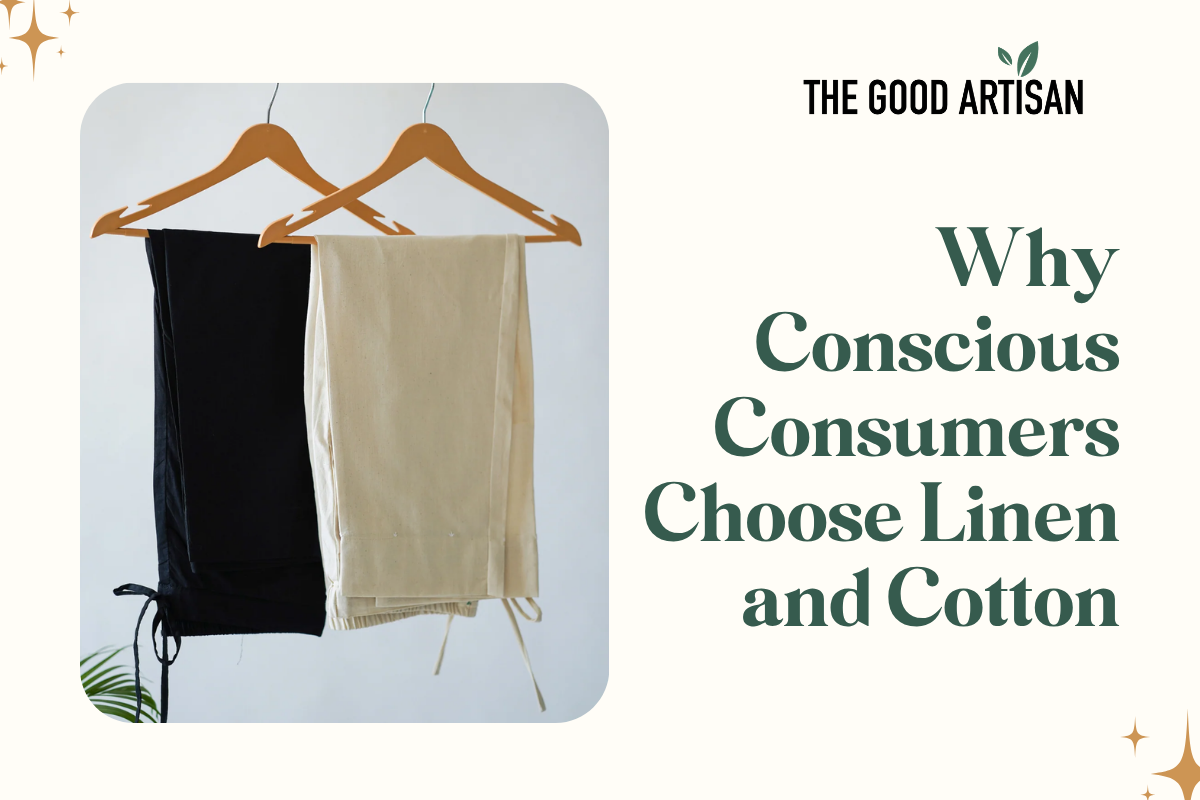
Cart
0
You may also like
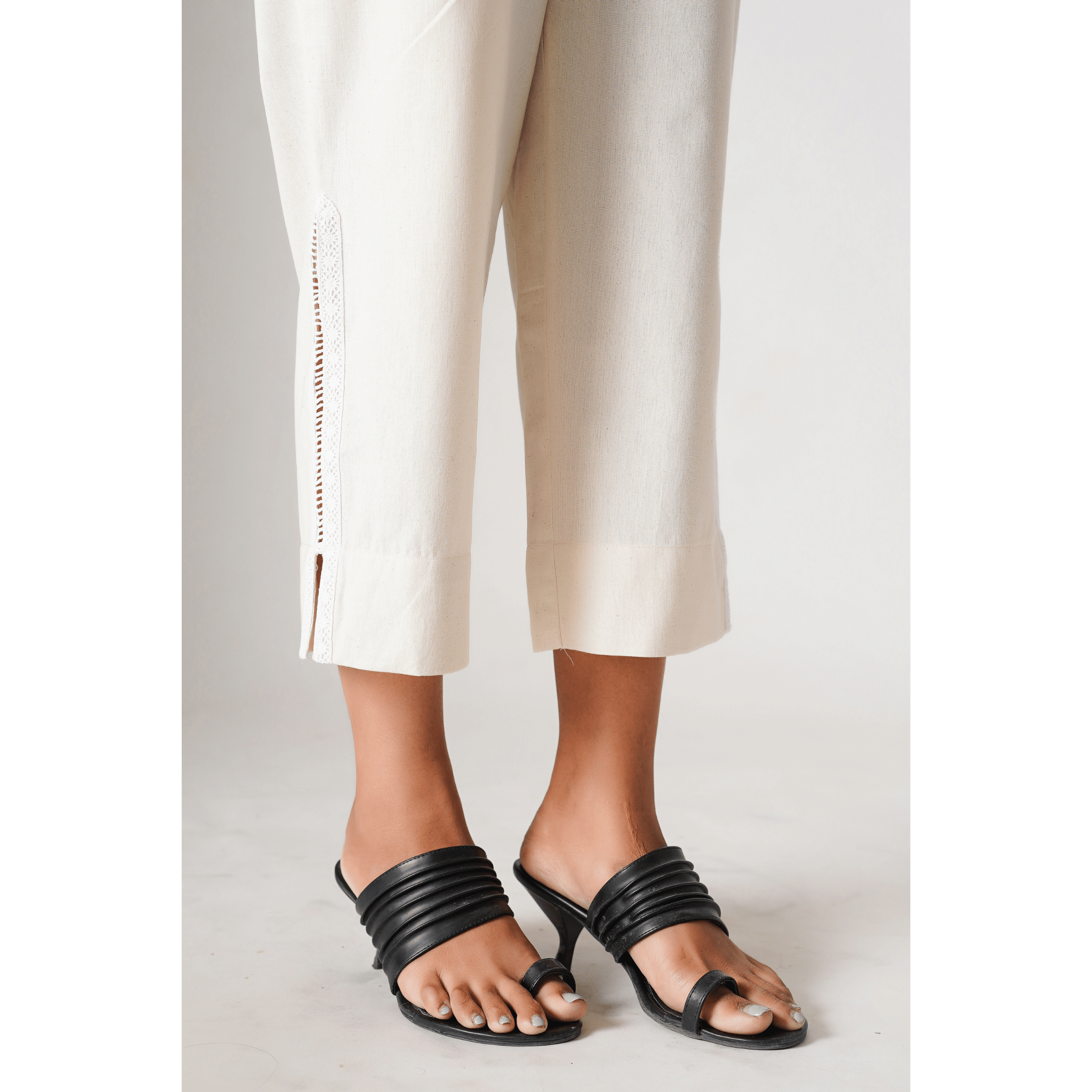
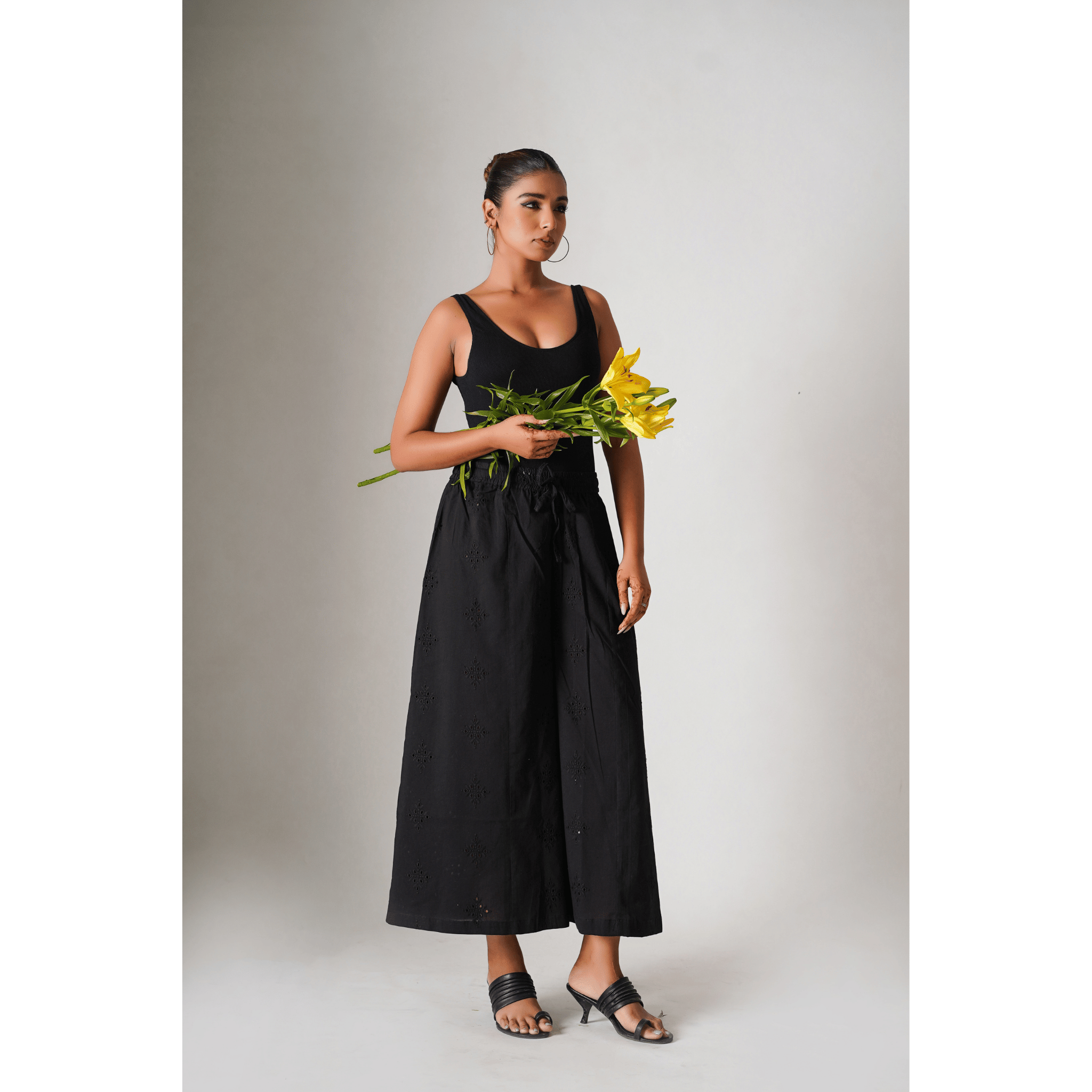
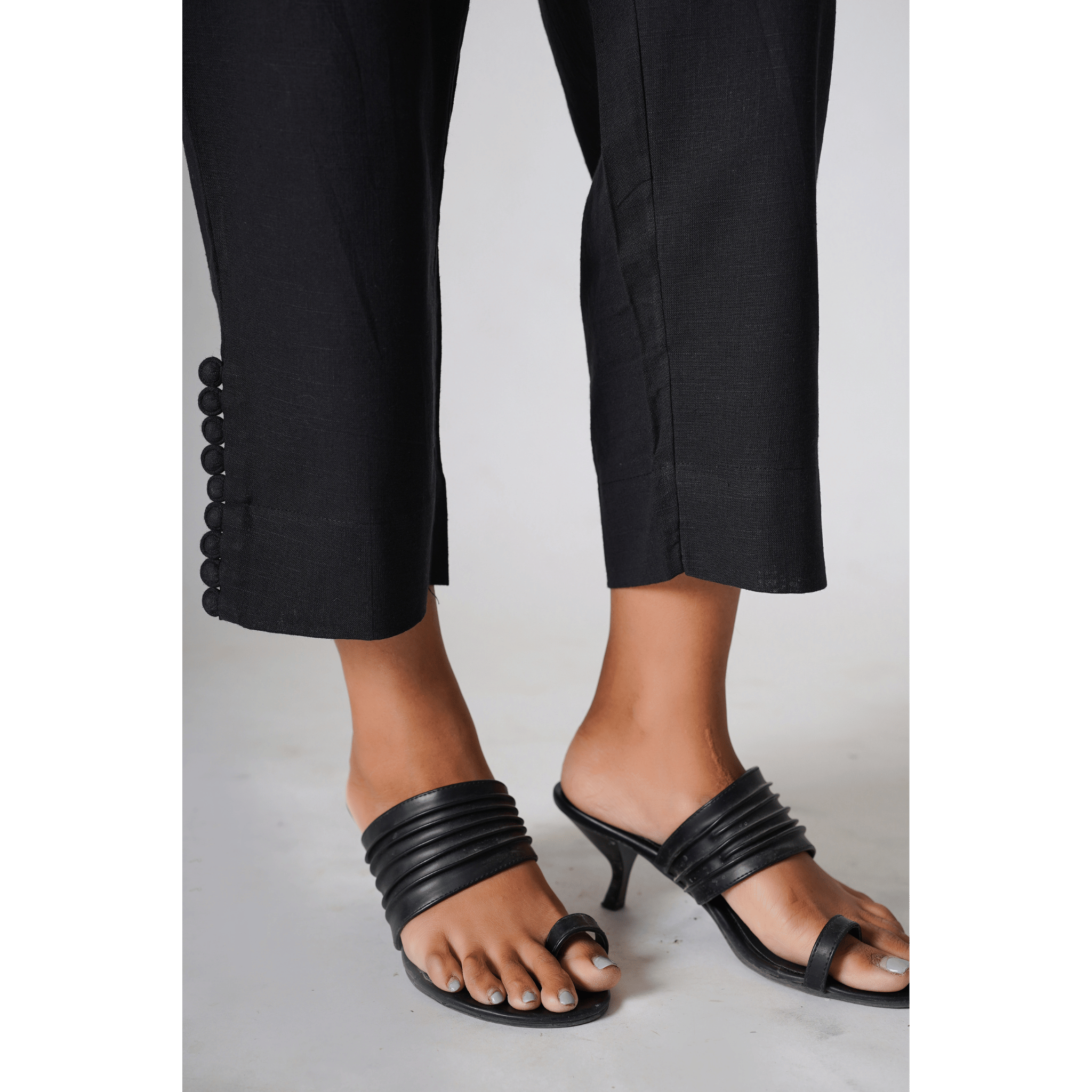
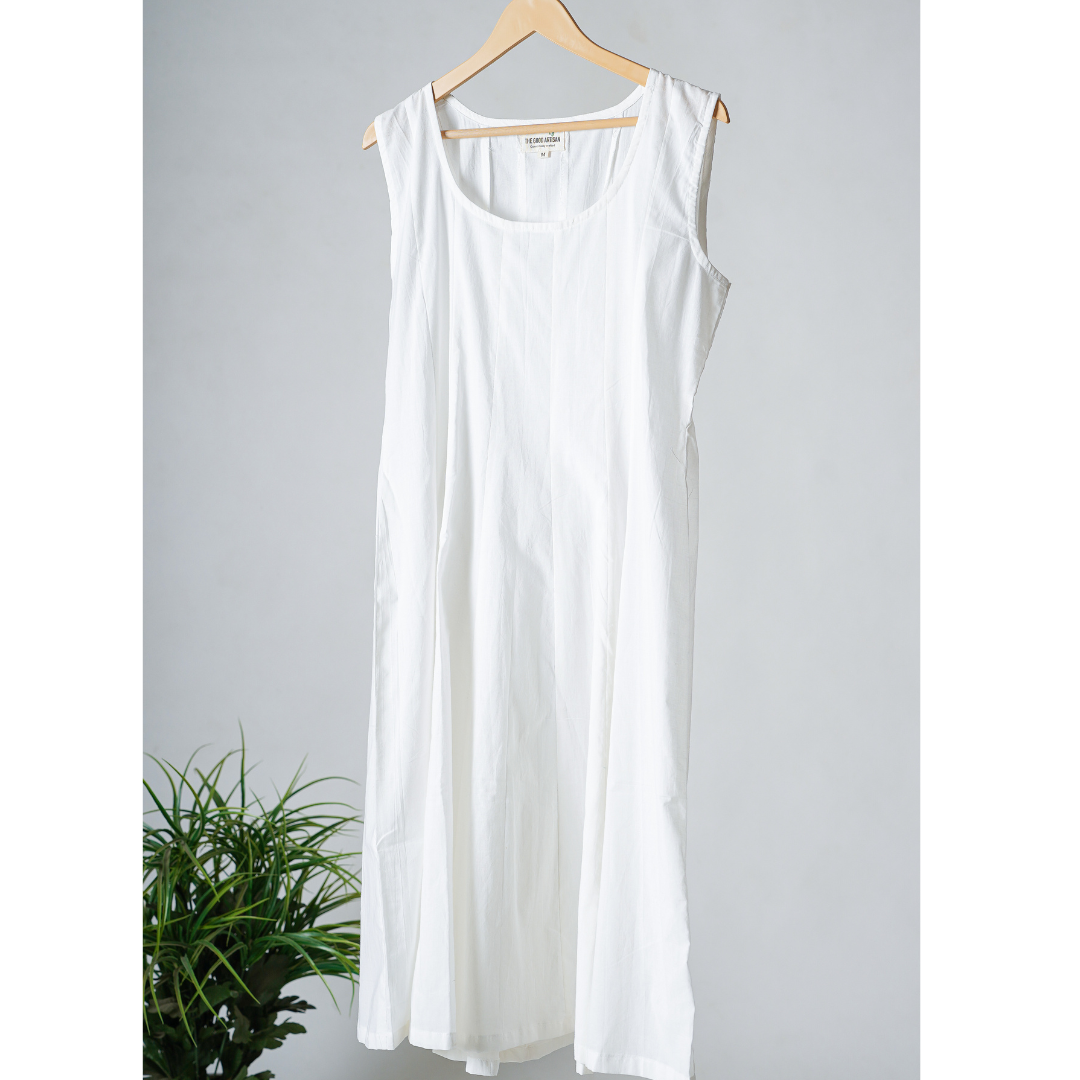
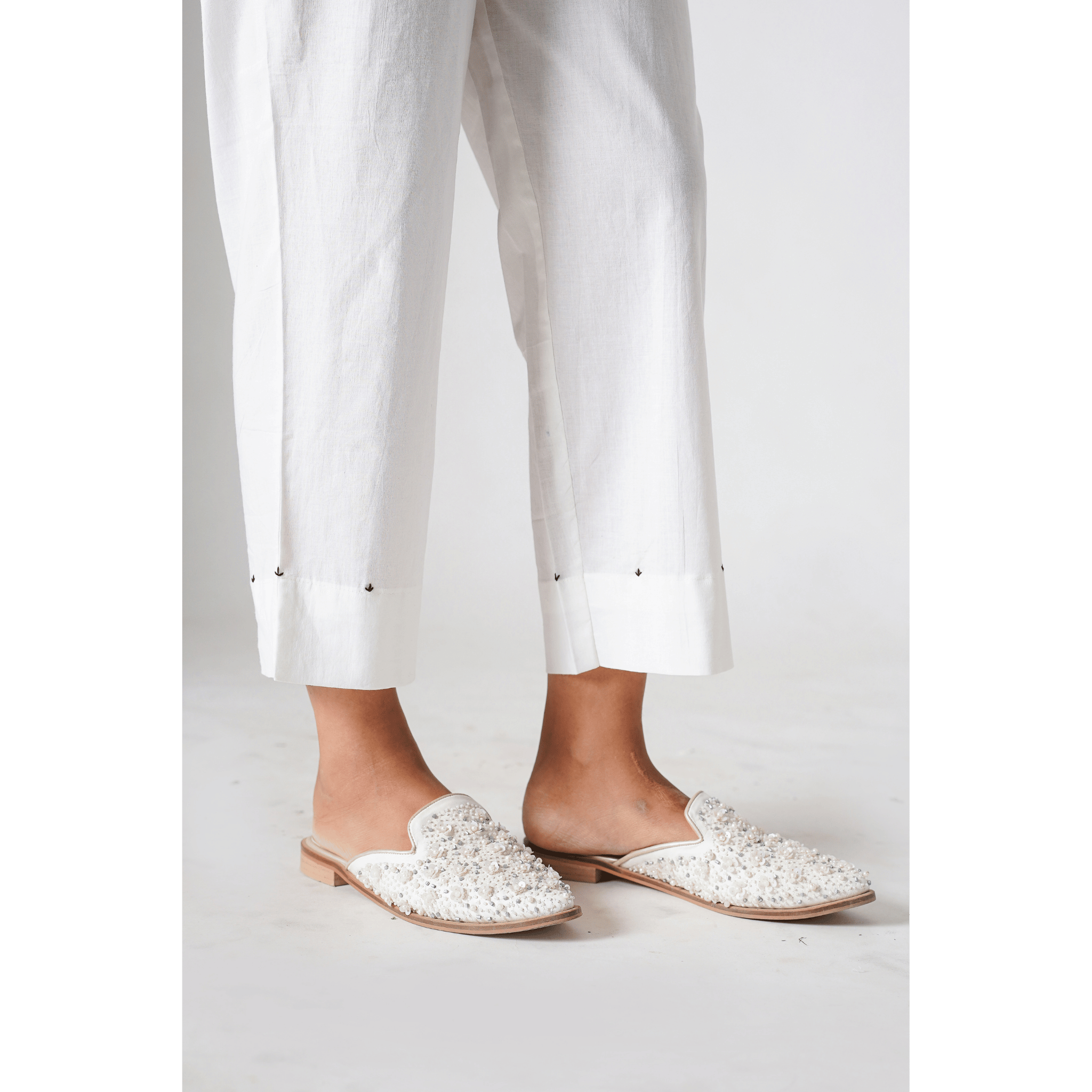
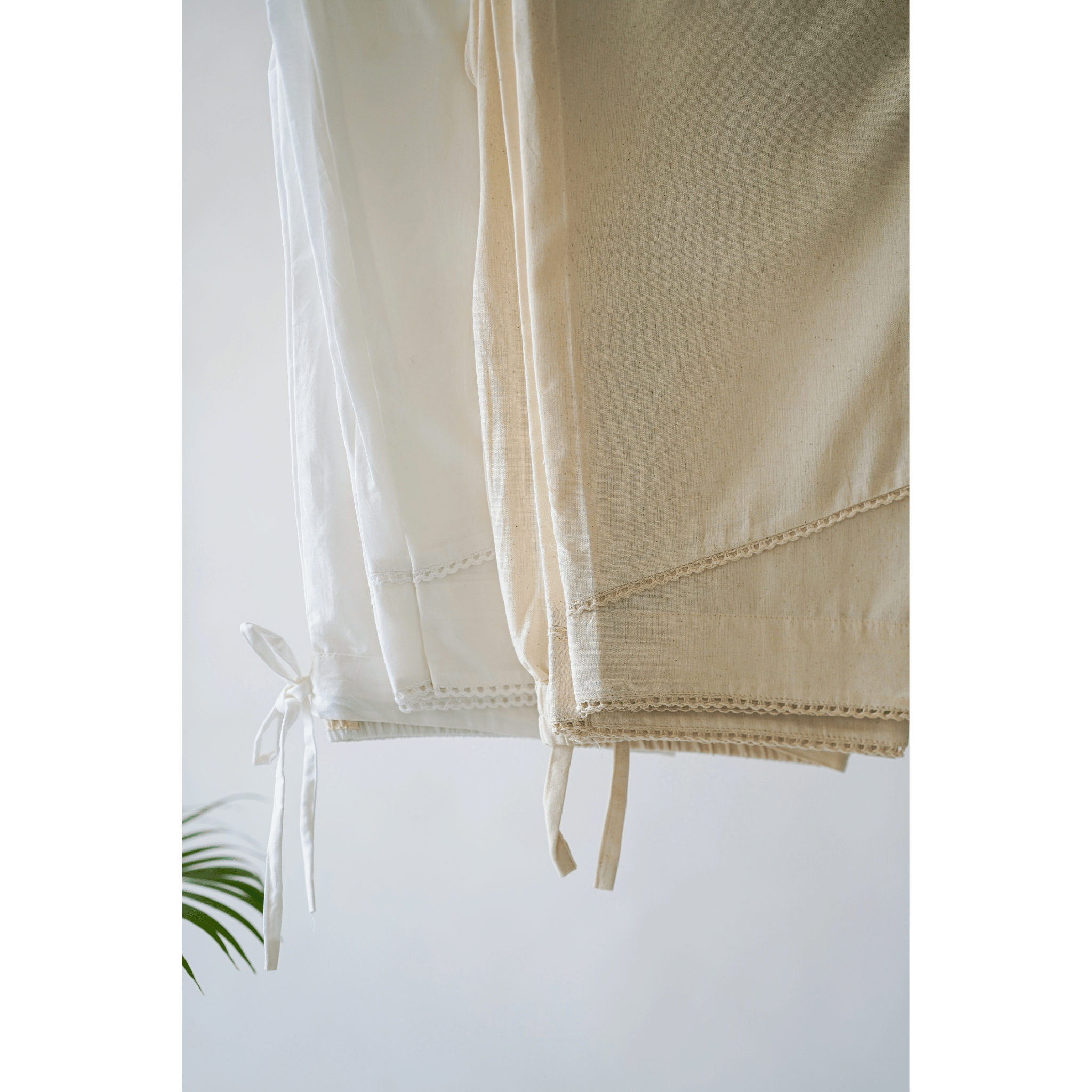
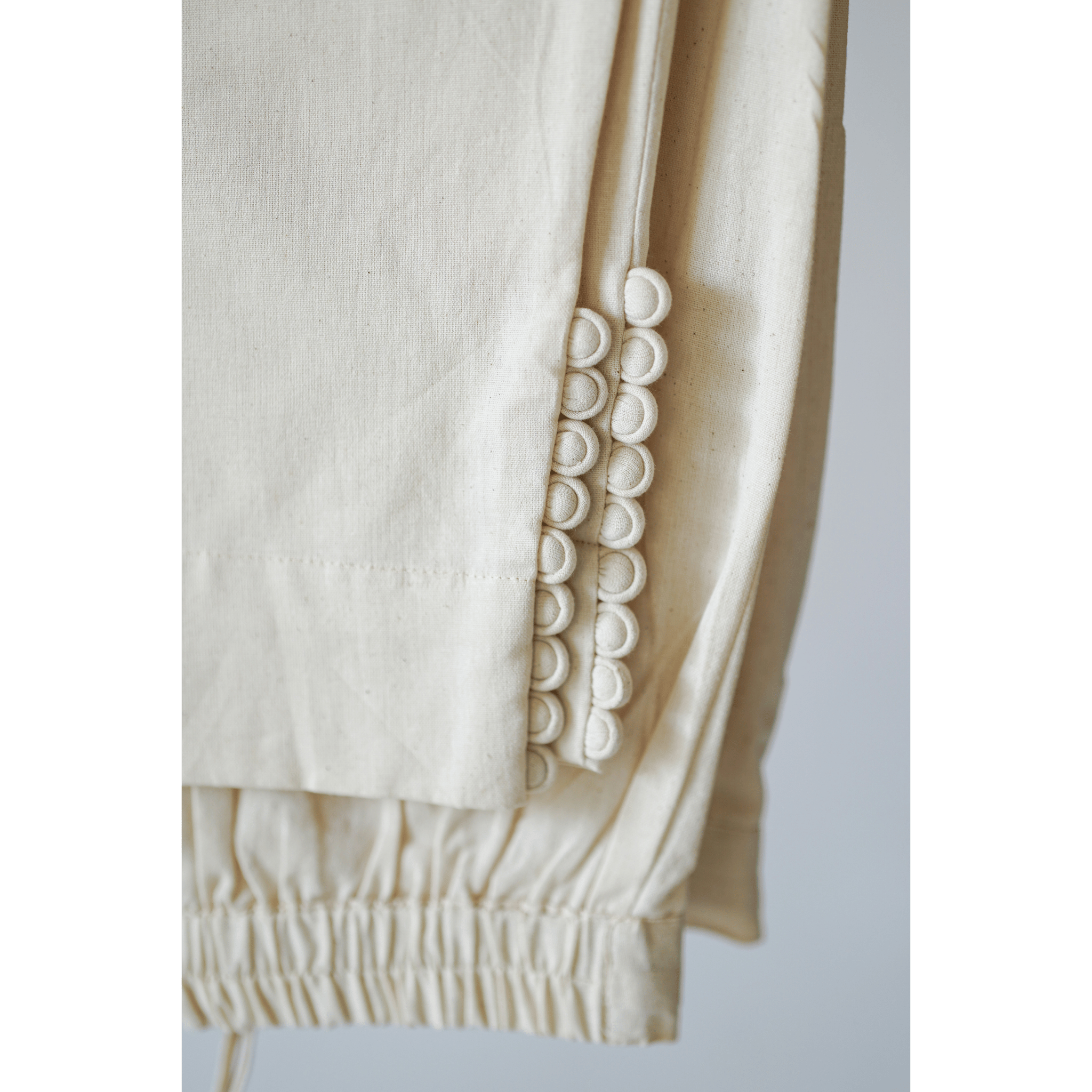
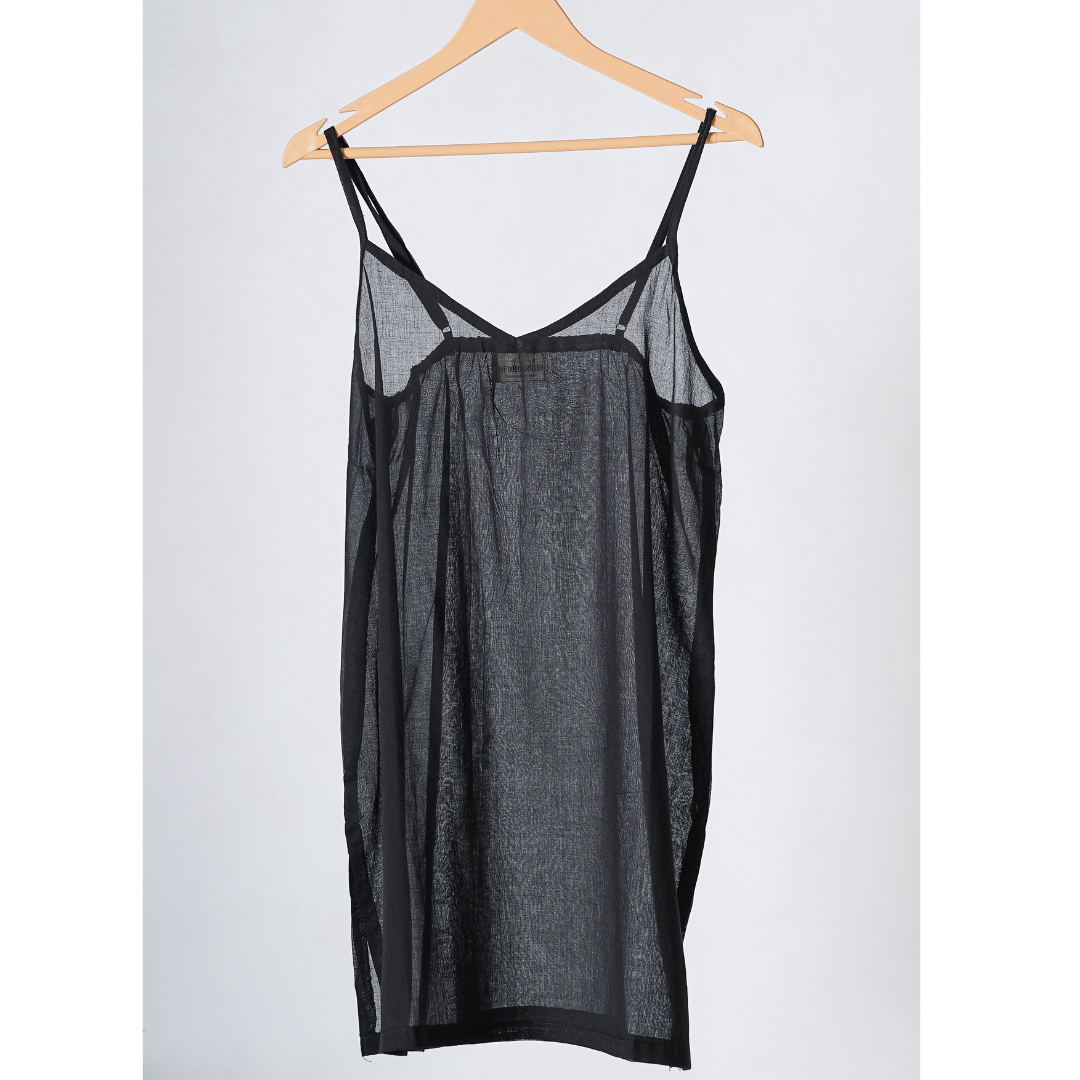

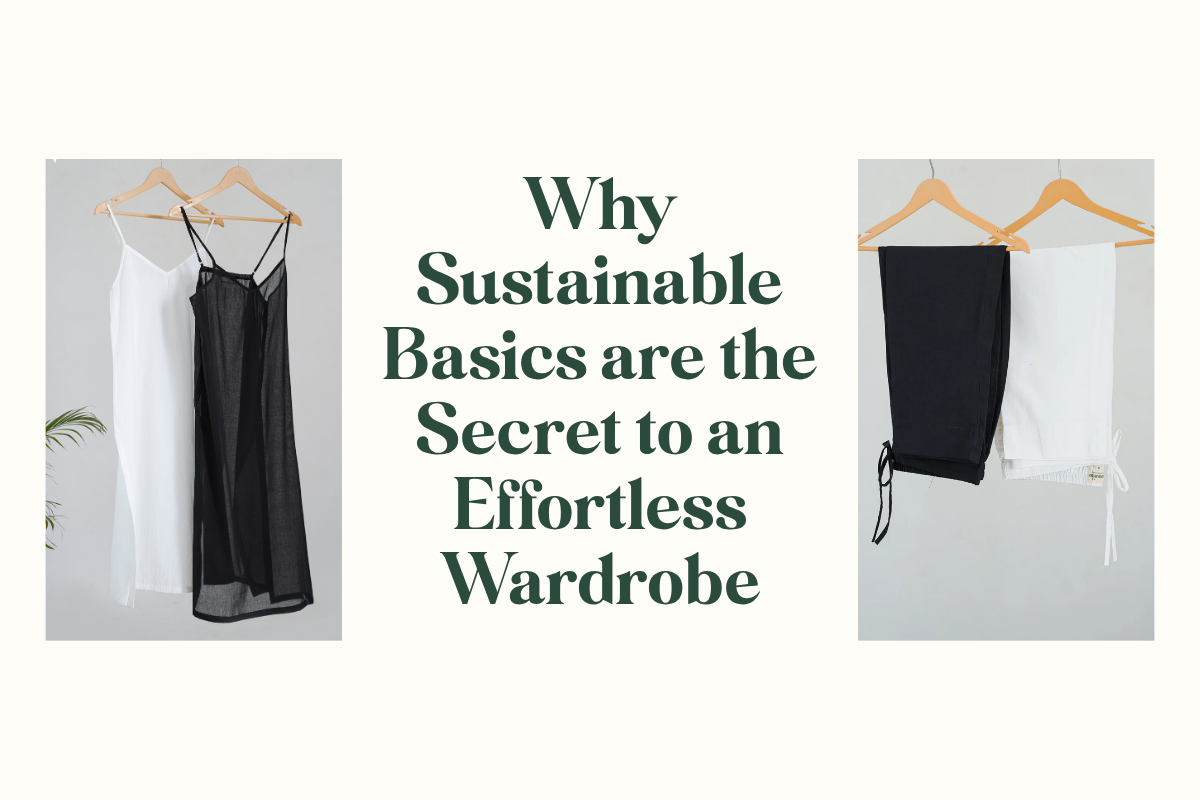
Finding basics is a task. Ask any woman who has stood in front of a packed wardrobe, late for a lunch or a meeting, unable to find a single pant or kurta that actually fits the moment. It sounds like a contradiction, a wardrobe full, a woman with nothing to wear, but it is one of the most common, least talked about frustrations in everyday dressing. The problem usually isn't a lack of clothes. It's a lack of the right basics.
Somewhere between fast fashion's endless trend cycles and the pressure to always have something "new," we've collectively lost sight of a simple truth: a wardrobe built on a few excellent, versatile basics will always serve you better than one stuffed with one-time wears. This is the quiet secret behind every effortlessly put-together woman you've ever admired. It isn't that she owns more. It's that she owns better.
Fast fashion has trained us to think of clothes as disposable, cheap enough to buy on impulse, flimsy enough to fall apart within a few washes, trendy enough to feel outdated within a season. The price tag looks attractive in the moment, but the real cost is hidden. It shows up in the landfill, in the water systems polluted by dye runoff and microplastic shedding, and in the underpaid labour that makes such low prices possible in the first place.
India alone generates an estimated one million tonnes of textile waste every year, and a significant share of it comes from precisely this cycle of cheap, quickly discarded clothing. Synthetic fabrics like polyester, nylon, and acrylic don't biodegrade. They sit in landfills for decades, and every time they're washed, they release microplastic fibres into our water systems, fibres so small they eventually make their way into the food chain.
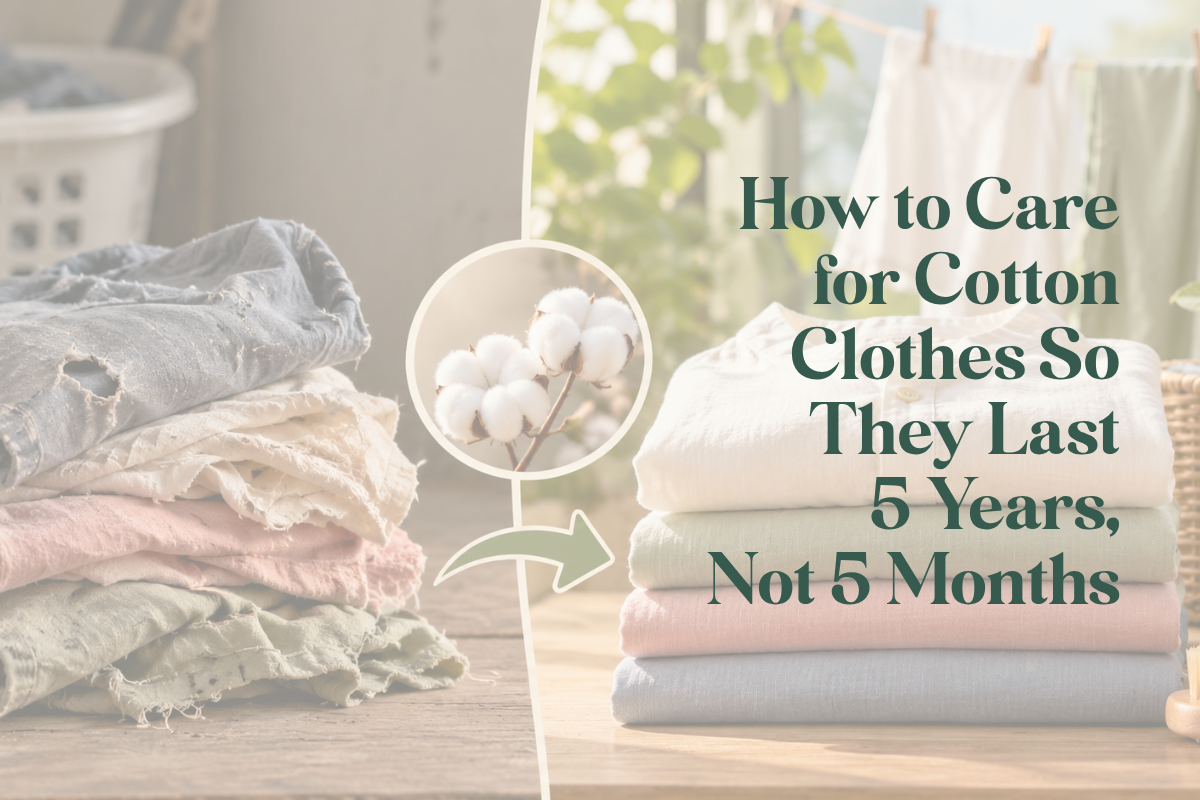
Choosing mindfully crafted, natural-fibre clothing isn't just a style preference. It's a quieter, more deliberate way of living. Cotton, linen, and cotton-linen blends are biodegradable. They're grown and woven without the same petrochemical footprint as synthetics. And when a garment is made by skilled artisans rather than mass-produced on a factory line, it tends to last, both in construction and in how good it continues to feel against your skin, wash after wash.
This is the foundation of what we mean by sustainable basics: pieces made from natural materials, crafted with care, designed to be worn often rather than once.
If you look closely at the wardrobes of women who always seem to have something to wear, you'll notice a pattern. Their staples are rarely loud or trend-driven. They lean into neutrals, beige, black, and white, and let those colours do the heavy lifting.
There's a reason for this, and it isn't boredom. Neutral basics are quietly intelligent. A well-made beige cotton-linen pant doesn't compete with your kurta, your dupatta, or your jewellery. It supports all of it. A black cotton pant can move from a desk job in the morning to a dinner out at night, simply by swapping the top you pair it with. A crisp white pant feels just as appropriate with a printed cotton kurti on a lazy Sunday as it does with an embroidered top for a festive evening.
When your basics are genuinely good, in fit, in fabric, in construction, you stop needing twenty options to feel ready for the day. You need five or six pieces that you trust completely, and the rest of your styling becomes intuitive. You spend less time deciding what to wear and more time actually living in your clothes.
This is, in many ways, the antidote to the "nothing to wear" problem. The solution was never more clothes. It was better basics that work harder.
Before you buy something new, a pant, a kurta, a slip, anything, ask yourself one honest question: can I picture wearing this with at least four or five things I already own? If the answer is yes, it's likely a genuine addition to your wardrobe. If you find yourself imagining a whole new outfit built around this one piece, it's probably a trend purchase rather than a basic, and that's worth knowing before you spend.
This single filter does more to simplify a wardrobe than any organising system or decluttering trend. It shifts the question away from "do I like this", because of course you do, that's why you're considering it, and toward "will this actually earn its place." Most of the clothes that sit unworn in the backs of our cupboards failed this test quietly, without us ever asking it out loud.
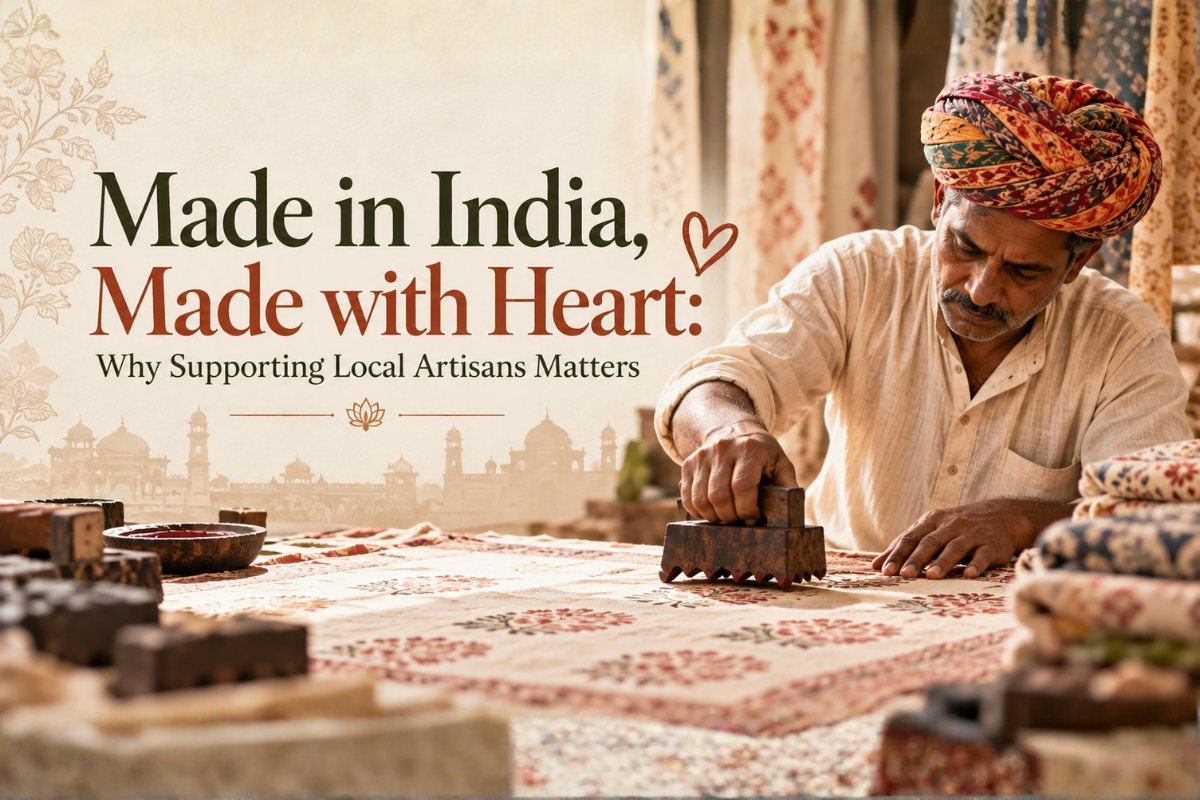
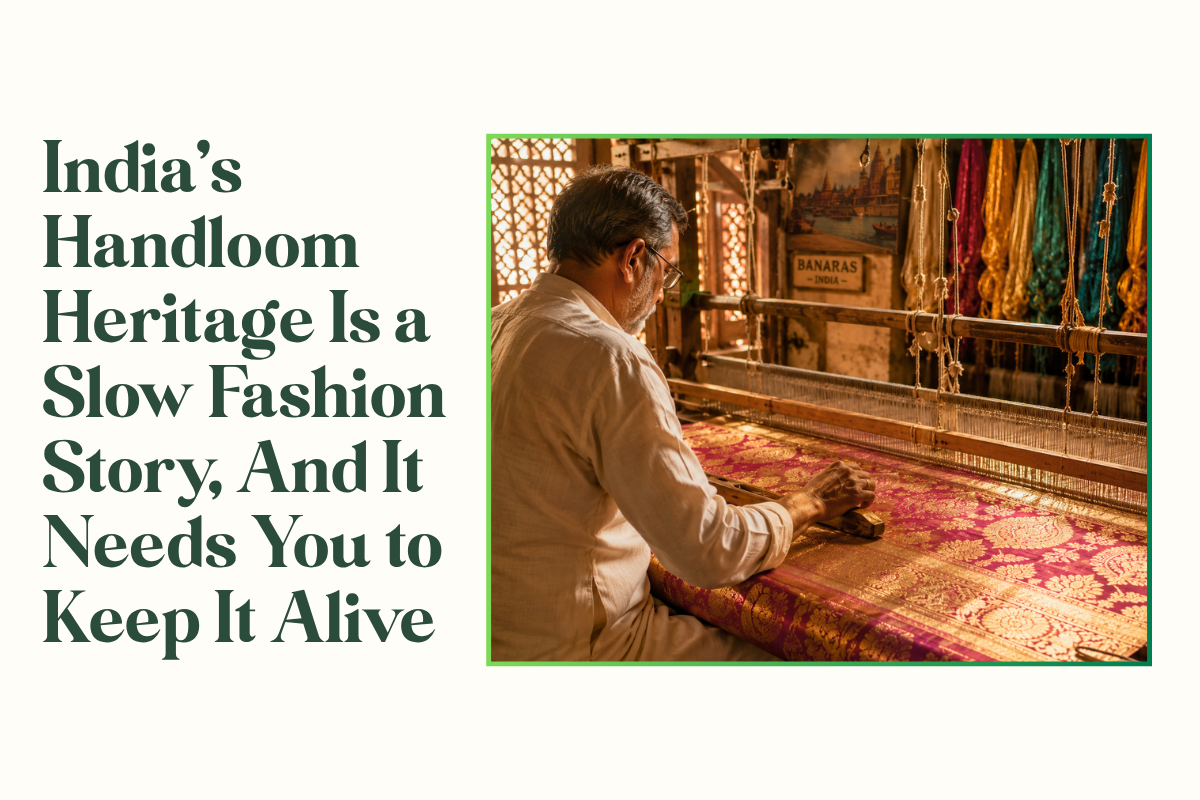
At The Good Artisan, this philosophy shapes everything we make. Our pants, kurtas, and slips are crafted in one hundred percent cotton, cotton-linen blends, and breathable mulmul, fabrics chosen because they're natural, durable, and genuinely comfortable to live in through long Indian summers. We work with skilled artisans based in Jaipur, a city with centuries of textile craftsmanship behind it, because we believe the people who make our clothes deserve as much consideration as the people who wear them.
Sustainability, for us, doesn't stop at the fabric. It extends to how a garment reaches you. Every order from The Good Artisan ships in eco-friendly, recyclable packaging, no unnecessary plastic, no wasteful wrapping. It's a small detail in the grand scheme of an order, but small details add up, and we'd rather our footprint be lighter wherever we have a choice.
We also believe that doing right by the planet shouldn't be reserved for those who can afford luxury sustainable labels. Our pieces are priced to be accessible, starting well under a thousand rupees for some of our cotton basics, because we want considered, well-made clothing to be a realistic choice for as many women as possible, not an aspirational one.
If you're looking to simplify your wardrobe along these lines, you don't need to overhaul everything overnight. Start small. Pick up one well-made pant in each of the three neutrals, beige, black, and white, and notice how much more versatile your existing kurtas and tops suddenly feel. Add a breathable cotton or mulmul slip in a tone that matches your most-worn sheer or light-coloured kurtas, since this alone solves the transparency problem that often makes otherwise beautiful pieces unwearable.
From there, build outward slowly. Notice what you reach for again and again, and invest a little more in those categories. Notice what sits untouched, and let that tell you something about your actual style versus the style you thought you wanted. Over time, your wardrobe begins to feel less like a collection of impulse decisions and more like a considered, working system, one where everything earns its place.
Choosing sustainable basics is rarely a single dramatic decision. It's a series of small, ordinary choices made consistently over time, choosing a cotton pant over a synthetic one, choosing a brand that's transparent about its fabric and its makers, choosing to wear something thirty times instead of three. None of these choices require perfection, and none of them ask you to give up enjoying clothes. If anything, they make getting dressed simpler and more enjoyable, because you're no longer negotiating with a wardrobe full of things that don't quite work.
A greener planet and an effortless wardrobe, it turns out, are not separate goals. They come from the same place: choosing fewer things, choosing them well, and giving them the kind of life that makes the choice worthwhile.
Explore The Good Artisan's collection of one hundred percent natural-fibre basics at www.thegoodartisanstore.com
Made in India · Mindfully Crafted · Eco-Friendly Packaging · Artisan Wear