Cart
0
You may also like
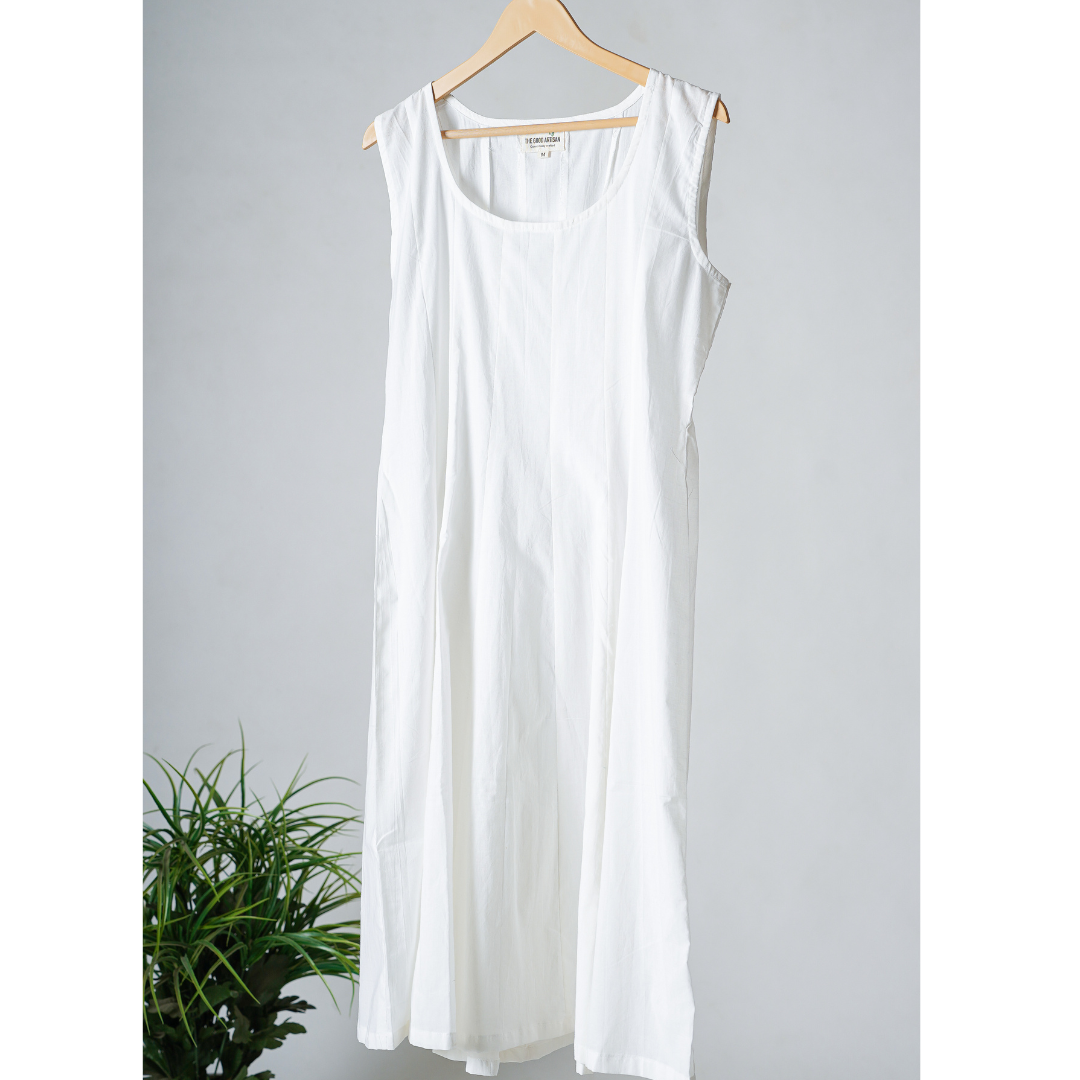
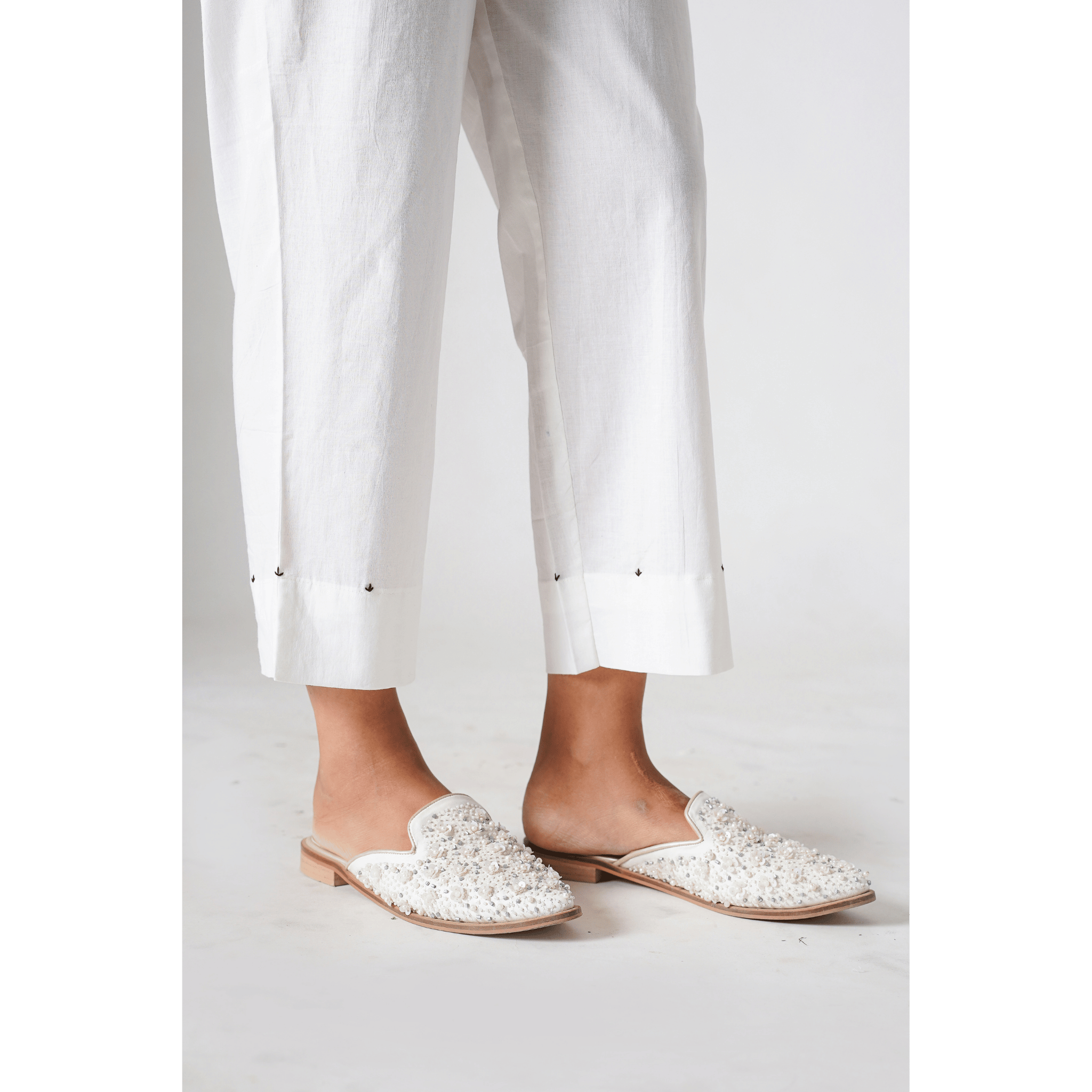
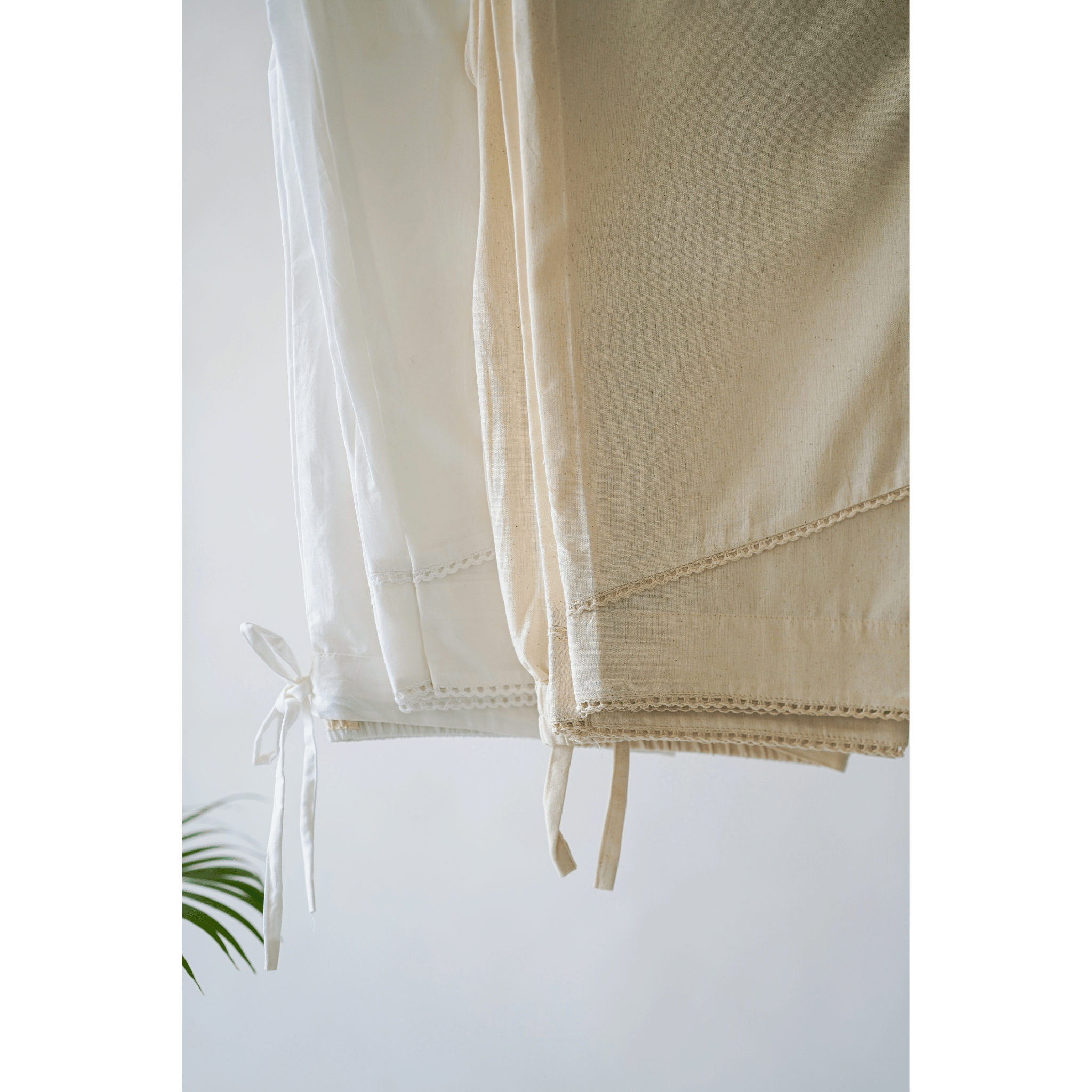
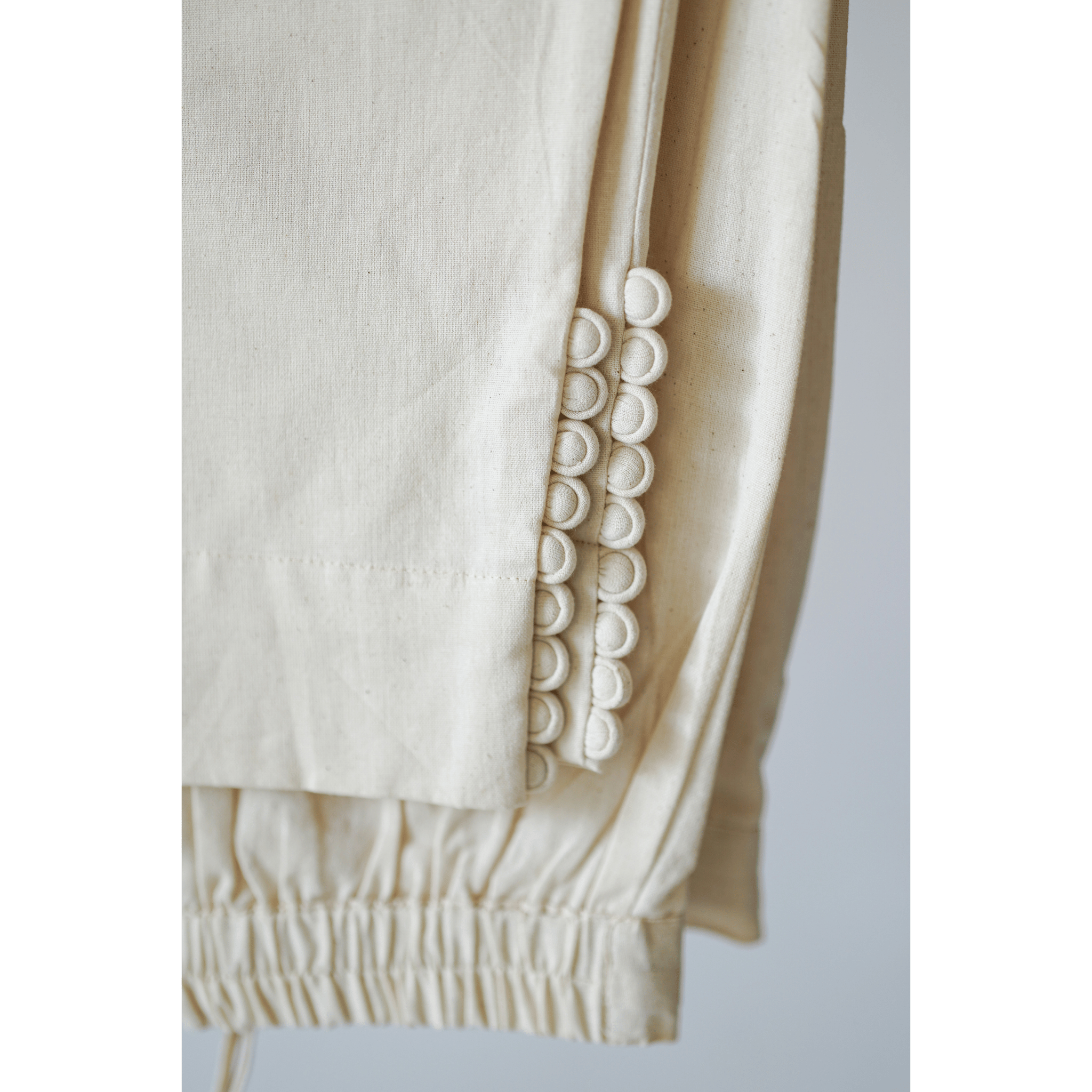

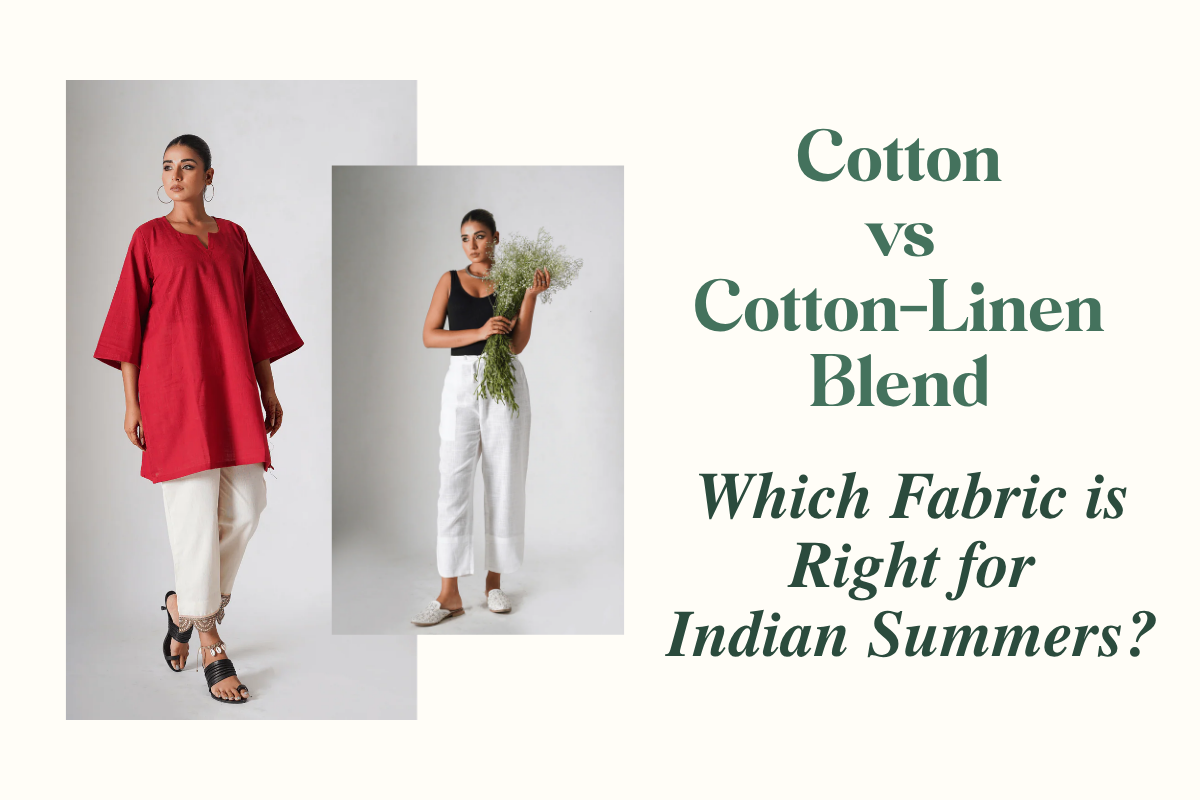
Walk into any conversation about women's clothing in India between March and July, and within five minutes someone will say it: "But will it be comfortable in the heat?"
It is the right question to ask. India's summers are not a monolith. Jaipur hits 44°C in dry, furnace-like heat; Mumbai wraps you in 90% humidity before 9 AM; Bengaluru teases you with a breeze that disappears the moment you step indoors. What you wear matters, and the fabric it is made from matters most of all.
At The Good Artisan, we work with two primary fabrics across our collection: 100% cotton and a cotton-linen blend. Both are natural. Both are breathable. Both are sustainably produced and crafted by skilled artisans in India. And yet they are meaningfully different in the way they feel against your skin, the way they drape on your body, the way they behave after eight hours of wear, and the occasions they are best suited for. Most brands selling these fabrics never bother to explain the difference. We think you deserve to understand exactly what you are putting on your body and why.
This guide is for every woman who has stood in front of her wardrobe on a hot morning and wondered whether to reach for the cotton or the blend. By the end of it, you will know the answer without thinking twice.
Cotton is not just a fabric in India, it is a civilisational material. The Indus Valley Civilisation was weaving cotton over four thousand years ago, making India one of the earliest cotton-producing cultures in the world. When the British colonial economy deliberately dismantled India's textile industry in the nineteenth century, it was cotton that Gandhi chose as the symbol of resistance, the spinning wheel, the khadi, the homespun cloth that could rebuild a nation's dignity. Cotton is in India's bones.
Linen has a different story. It comes from the flax plant, which thrives in cooler, wetter climates - Belgium, France, Ireland, Eastern Europe. Pure linen has long been associated with European summer dressing, but its entry into the Indian wardrobe is more recent, arriving largely through the contemporary fashion market of the 2000s and 2010s. What changed the conversation was the cotton-linen blend: a fabric that takes the best properties of linen, its structure, its ability to wick moisture, its beautiful drape when broken in, and tempers them with the softness and familiarity of Indian cotton. The result is a fabric that feels at home in both a Jaipur boutique and a Bengaluru office.
At The Good Artisan, both fabrics are sourced from Indian mills and processed without harmful synthetic chemicals. Our commitment to natural fibres is not a trend response, it is a founding principle, rooted in our belief that what is good for the artisan, the wearer, and the earth are never in conflict.
Breathability is the word everyone uses and almost no one explains. In practical terms, a breathable fabric does two things: it allows air to circulate between the fabric and your skin, and it allows moisture, sweat, to move away from the skin and evaporate rather than sitting against your body. Both of these properties are what keep you feeling cool and dry on a hot day.
Pure cotton is extraordinarily good at the second of these, moisture absorption. Cotton fibres are hollow and naturally hydrophilic, meaning they draw moisture toward them readily. When you sweat in a cotton garment, the fabric absorbs that moisture quickly, which is why cotton feels cool and comfortable in the first hours of wear. The limitation of cotton appears on high-humidity days, particularly in cities like Mumbai, Chennai, or Kolkata in the pre-monsoon months. Once cotton has absorbed a significant amount of moisture, it holds it, the fabric stays damp, can feel heavy, and takes longer to dry. On a day when the air itself is saturated with humidity, cotton's absorption capacity becomes a disadvantage.
The cotton-linen blend addresses this limitation directly. Linen fibres are derived from the flax plant's stem and have a fundamentally different structure from cotton: they are smoother, less absorbent individually, but exceptionally good at allowing moisture to pass through and evaporate. When you blend linen with cotton, you create a fabric that absorbs moisture quickly (the cotton component) but also releases it quickly (the linen component). The result is a fabric that performs better across a wider range of Indian climate conditions, comfortable in the dry heat of Rajasthan and significantly better than pure cotton on humid coastal days.
For practical everyday use: if you live in a dry-heat city or spend most of your time in air-conditioned spaces, pure cotton will serve you beautifully. If you commute, travel, or spend significant time outdoors in humid conditions, the cotton-linen blend will keep you noticeably more comfortable.
This is where the two fabrics diverge most visibly, and where the choice becomes personal rather than purely practical.
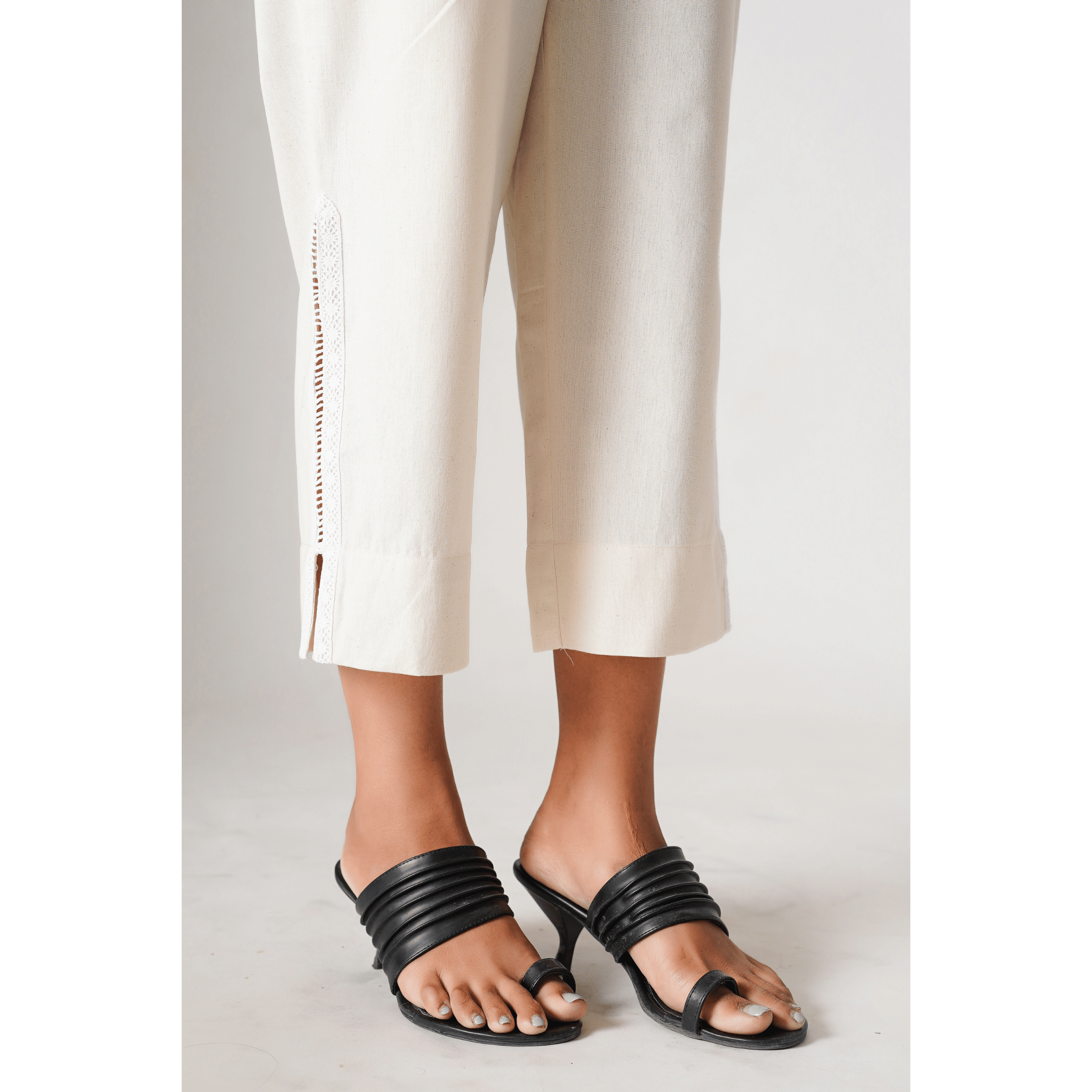
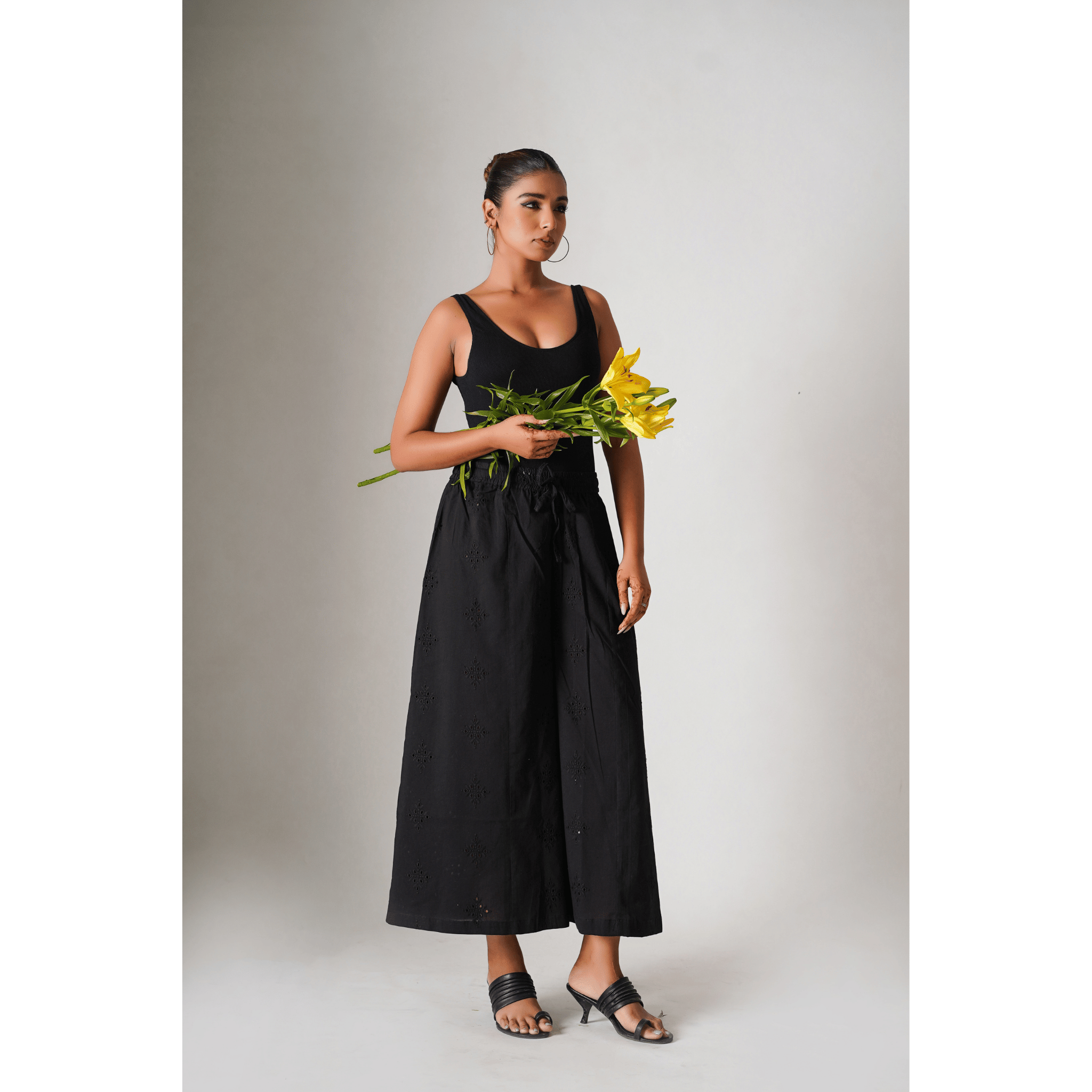
Pure cotton, particularly the cotton slub and mulmul varieties we use at The Good Artisan, has a soft, gentle drape. It falls close to the body without clinging, moves with you rather than against you, and has a natural, slightly informal quality that makes it feel effortless. Our Jasmine White and Dausa Straight Fit Pants in pure cotton exemplify this quality, they sit lightly on the body, create a relaxed silhouette, and give the wearer the feeling of being well-dressed without being constricted. Cotton's drape is soft and yielding, which is why it photographs beautifully in natural settings and works particularly well in flowing silhouettes like palazzo pants, wide-leg trousers, and relaxed kurtas.
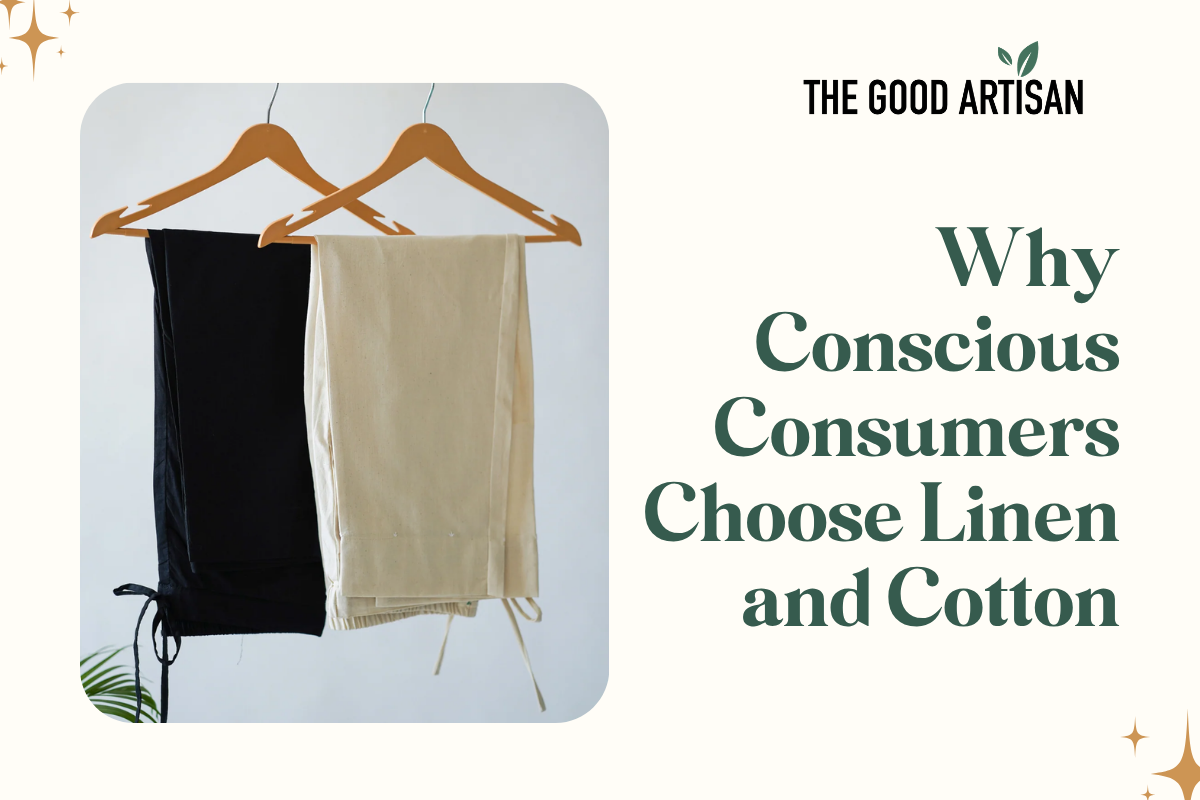
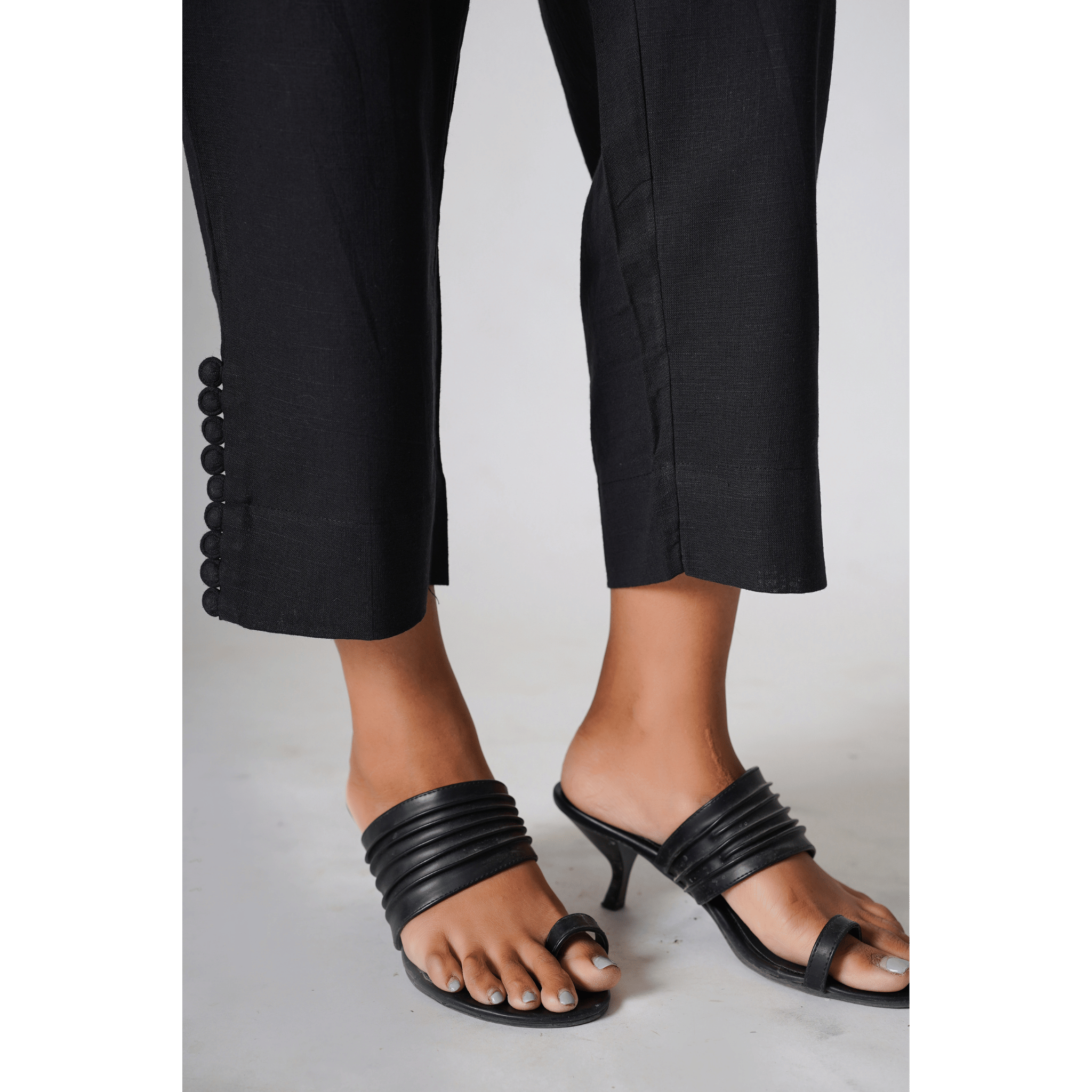
The cotton-linen blend has a noticeably different presence. Linen introduces structure, a slight stiffness in the fibre that gives the fabric body and makes it hold a shape more decisively. A cotton-linen pant does not simply fall; it stands slightly away from the body, creating clean lines and a more tailored silhouette. This is why our Victoria Black and Ramgarh Ash Brown cotton-linen pants have the particular look they do; they are relaxed in fit but structured in form, the kind of pant that reads as intentional and put-together even without effort from the wearer. The blend also develops what textile people call "character" over time: as linen breaks in with washing and wearing, it softens beautifully, developing a relaxed elegance that pure cotton cannot quite replicate.
In terms of body type versatility, cotton's soft drape is particularly flattering for pear and hourglass shapes, where the fabric follows curves gently. The cotton-linen blend's structure works beautifully for apple shapes and straight silhouettes, where the fabric creates the impression of clean lines and proportion without clinging. That said, the wide-leg and palazzo cuts we favour at The Good Artisan are specifically designed to be flattering across body types, the silhouette does a great deal of the work regardless of which fabric you choose.
At The Good Artisan, we make clothes we want you to wear for years, not seasons. Understanding how each fabric ages with wear and washing is part of that commitment to transparency.
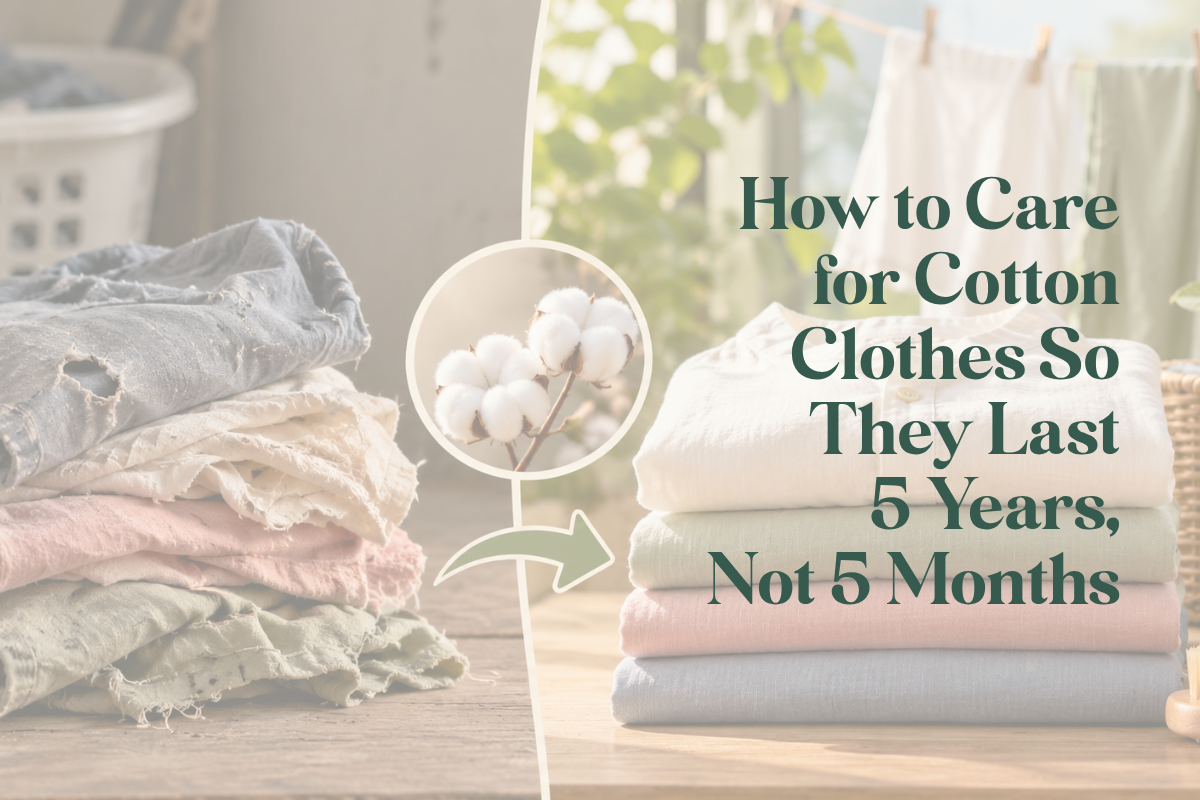
Pure cotton is a durable fibre, but it has known vulnerabilities. It is prone to shrinkage, particularly in the first few washes if exposed to hot water. It can lose its shape over time, especially in garments with elastic waistbands or areas of tension. Cotton also wrinkles readily, this is not a design flaw but a characteristic of the fibre, and one that many people have come to associate with the relaxed, lived-in quality of natural fabrics. A lightly wrinkled cotton kurta has a certain ease to it that feels appropriate for casual days. For professional settings where a crisper appearance is expected, cotton requires either ironing or deliberate styling choices.
The cotton-linen blend is, by almost every measure, the more durable of the two options. Linen is one of the strongest natural fibres available, considerably stronger than cotton weight for weight, which means a cotton-linen garment holds its structure through repeated washing and wearing better than a pure cotton equivalent. The blend also wrinkles, because linen is famously prone to creasing, but the wrinkles in a good cotton-linen blend have a different quality: they are more structured, settle into the fabric in a way that looks intentional rather than dishevelled, and smooth out more readily with wear. Many women find that a cotton-linen pant looks better after three hours of wear than it did fresh off the hanger, the fabric settles, the wrinkles organise themselves, and the overall effect becomes more polished rather than less.
For care: both fabrics should be washed in cold water, air-dried in shade, and kept away from synthetic fabric softeners, which reduce the natural wicking and breathability properties of both cotton and linen. Cotton can generally be hand-washed or machine-washed on a gentle cycle. Cotton-linen blends respond best to hand washing or a delicate machine cycle, and benefit from being reshaped while damp and left to air dry flat or on a hanger. Neither fabric requires dry cleaning under normal circumstances — this is one of the practical advantages of natural fibres over synthetics and delicate materials.
We will be direct about this, because it affects daily life in ways that matter.
Pure cotton is easier to iron than a cotton-linen blend. The fibres respond readily to medium heat, wrinkles release quickly, and a well-ironed cotton garment holds its pressed appearance for a reasonable period, longer in dry conditions than humid ones. If you are someone who irons their clothes every morning as a matter of routine, pure cotton will feel cooperative and predictable.
Cotton-linen blends are more resistant to ironing and more prone to re-wrinkling after pressing. This is a characteristic of the linen component: linen fibres have a crystalline molecular structure that causes them to crease and resist the steam that smooths cotton. A cotton-linen pant can be ironed, a damp cloth and a medium-high iron will get you a clean result, but it will re-wrinkle faster than cotton if you sit, travel, or move through a full day. The practical response that most cotton-linen devotees arrive at is to stop trying to keep the fabric perfectly pressed and instead embrace the lived-in quality of broken-in linen. Once you make that peace, the cotton-linen blend becomes significantly lower maintenance, because you stop judging it by a standard it was never designed to meet.
Our honest recommendation: if ironing is a non-negotiable daily step for you and you need clothes that stay pressed through long office days, cotton will serve you better. If you are someone who prefers the natural, slightly textured appearance of a fabric that wears itself in, the cotton-linen blend will become your favourite garment in your wardrobe after the first month.
Understanding the practical differences between these two fabrics ultimately comes down to matching the right cloth to the right context. Here is how we think about it at The Good Artisan.
For long working days in an office environment, particularly in cities with air conditioning, both fabrics perform well, but the cotton-linen blend has a slight edge. Its structure means it holds a professional silhouette through eight or more hours of wear, and the slight crease that develops by afternoon looks deliberate on a cotton-linen pant in a way that it does not always on pure cotton. Our Ramgarh and Victoria range in cotton-linen are designed with exactly this use case in mind.
For weekend dressing, travel days, and casual social occasions, pure cotton is the clear winner. Its softness, its ease of care, and its natural, relaxed quality make it the obvious choice for days when comfort is the priority and formality is not. The Jasmine White cotton pants, our Bhuj Culottes, and the Dausa Straight Fit are all expressions of this, clothes that feel as easy as they look.
For humid-weather cities and the pre-monsoon months from April through June, the cotton-linen blend's superior moisture release makes it the more practical choice for active, outdoors-heavy days. If you are commuting in Mumbai or spending time outdoors in Kochi, the blend will leave you feeling fresher for longer.
For festive occasions and events where artisan detailing is part of the outfit, pieces like our Dholpur Gotta Patti Pants or the Jaipur Gotta Patti Kurta, pure cotton is our fabric of choice. The softness of the cotton base cloth allows the gota-patti embellishment to sit beautifully on the surface and move freely without the slight stiffness of linen interfering with the drape of the handcrafted detail.
We would not be The Good Artisan if we did not address the ecological dimension of this conversation, because fabric choice is not only a matter of comfort and aesthetics, it is a matter of environmental impact.
Both cotton and linen are natural, plant-based fibres that biodegrade at the end of their life in a way that synthetic fibres do not. This is, in our view, the single most important textile choice a consumer can make: choosing natural over synthetic. Polyester, nylon, and viscose blends release microplastics with every wash and persist in landfills for hundreds of years. Cotton and linen do neither.
Within natural fibres, linen has a notably lower environmental footprint than conventional cotton: the flax plant requires significantly less water and fewer pesticides to grow, and the linen production process generates very little waste. Cotton's environmental impact depends heavily on how it is grown, conventional cotton farming is water-intensive, while organic cotton reduces this burden considerably. At The Good Artisan, we source natural cotton from Indian mills with responsible practices, and we choose cotton-linen blends that use linen content from traceable European flax sources.
Choosing either fabric from The Good Artisan means choosing a garment made in small batches, by hand, by artisans paid fairly for their skill. It means choosing a piece designed to be worn for years rather than discarded after a season. It means choosing, in the most direct way available to a consumer, to be part of a supply chain that respects both people and planet.
After everything in this guide, the choice between pure cotton and a cotton-linen blend comes down to a handful of honest questions. How humid is your city? How structured does your daily dressing need to be? Are you someone who irons with pleasure or avoids it where possible? Do you prefer a fabric that feels soft and yielding, or one that holds its shape with quiet confidence?
There is no wrong answer. Both fabrics are beautiful, both are sustainable, and both are crafted with the same commitment to quality and artisan skill that defines everything we make at The Good Artisan. What we hope this guide gives you is the information to make the choice that is right for your life, your city, your body, and the kind of mornings you want to have.
Shop our full cotton range and our cotton-linen blend collection at thegoodartisanstore.com, and if you are ever unsure, write to us, we are always happy to help you find the right piece for your wardrobe.